
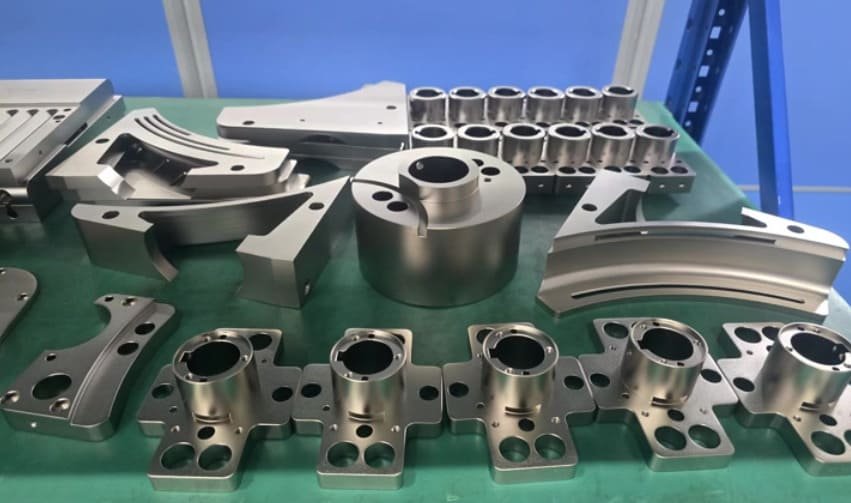
Nickel plating is a surface treatment technology that bonds a thin layer of nickel onto a base material through an electrochemical reaction. This metal finishing process creates a tough, protective shield that guards parts against moisture, harsh chemicals, and everyday wear. The result is a component that lasts longer, performs better, and looks great doing it.
In this guide, we break down each step of the nickel plating process, compare key methods, and help you decide when this surface treatment technology is the right choice for your next project.
What is Nickel Plating?
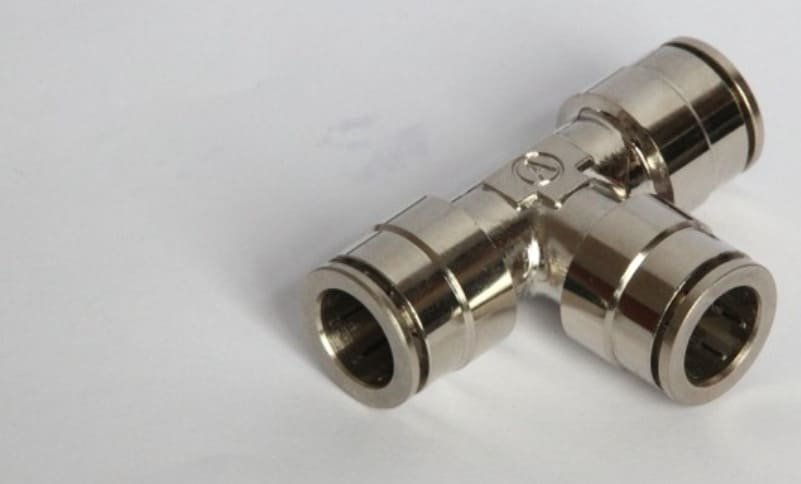
Nickel plating is one of the most widely used metal coating techniques in modern manufacturing. It involves applying a thin layer of nickel onto a base material — called a substrate — to improve its durability, appearance, and performance. This process plays a critical role in substrate protection across industries like automotive, aerospace, and electronics.
Definition and Basic Principles
At its core, nickel plating is an electrochemical process. Electric current passes through an electrolytic solution containing nickel ions. These ions are attracted to the substrate’s surface, where they bond and form a solid metallic layer. The plating chemistry behind this reaction depends on the bath composition, temperature, and current density — all of which affect the quality of the final coating.
Types of Nickel Plating Methods
You’ll encounter two primary methods of nickel deposition in practice:
- Electroplating — uses an external power source to drive the reaction. It gives you precise control over coating thickness and is ideal for flat or simple-shaped parts.
- Electroless plating — relies on a chemical reduction reaction with no external electricity. It delivers uniform coverage on complex geometries, including internal surfaces and recesses.
Both methods work on a range of substrates, including steel, copper, brass, ABS plastic, nylon, and polyamide.
Key Properties of Nickel Coatings
Nickel coatings deliver a unique combination of functional and aesthetic benefits. The table below summarizes the key properties you can expect:
| Property | Performance Level | Typical Application Benefit |
|---|---|---|
| Corrosion Resistance | Excellent in alkaline environments | Extended part lifespan in harsh conditions |
| Wear Resistance | High surface hardness (up to 700 HV for electroless) | Reduced friction in automotive and aerospace components |
| Electrical Conductivity | Good | Reliable signal transfer in electronic connectors |
| Thermal Stability | Stable up to 600°F (315°C) | Consistent performance in high-temperature environments |
| Surface Appearance | Bright, semi-bright, or satin finish | Enhanced visual appeal for consumer-facing products |
These properties make nickel plating an essential step before moving into the detailed electroplating process covered in the next section.
The Nickel Electroplating Process Step-by-Step
Every successful electroplating procedure follows a precise sequence of stages. Each step builds on the one before it — skip or rush any phase, and you risk poor coating adhesion or uneven deposits. Let’s walk through the core stages you need to understand.
1. Surface Preparation and Cleaning
Proper surface preparation is the foundation of a quality nickel coating. You must remove all oils, oxides, and debris from the substrate before plating begins. This typically involves:
- Alkaline cleaning to dissolve grease and organic contaminants
- Acid pickling to strip oxide layers
- Electrocleaning for a final deep clean
- Water break-free testing to verify full contamination removal
2. Electrolytic Bath Composition and Setup
The electrolytic bath contains a solution of nickel salts — most commonly nickel sulfate, nickel chloride, and boric acid. Your workpiece connects to the negative terminal of a rectifier, making it the cathode. Nickel anodes sit on the positive side and steadily replenish nickel ions as plating progresses.
3. Electrochemical Deposition Parameters
Precise control over deposition parameters determines coating quality. You need to monitor current density, bath temperature, pH levels, and solution flow rate throughout the process. Direct current drives positively charged nickel ions toward the negatively charged workpiece, building a uniform deposit layer by layer.
| Parameter | Typical Range | Impact on Coating |
|---|---|---|
| Current density | 20–50 A/ft² | Controls deposition rate and grain structure |
| Bath Temperature | 115–160°F | Affects brightness and internal stress |
| pH Level | 3.5–4.5 | Influences deposit hardness and ductility |
4. Post-Plating Treatment and Quality Control
After deposition, parts go through heated rinses to minimize water staining. Oven baking or forced-air drying eliminates residual moisture. Quality control testing — including thickness measurement, adhesion checks, and salt spray evaluation — ensures every batch meets your required specifications before shipment.
Electroplating vs. Electroless Nickel Plating
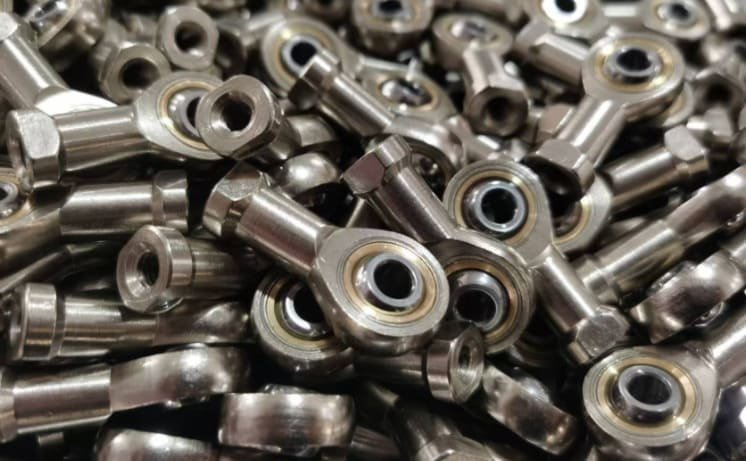
When choosing a nickel coating method, you need to understand the key differences between these two approaches. This plating comparison breaks down how each technique works — and where each one shines.
Electroplating uses an electric current to deposit nickel onto a substrate. It offers faster deposition rates, precise thickness control, and strong adhesion through metallurgical bonding. You can plate metals, plastics, and ceramics at a lower equipment cost. Companies like SendCutSend rely on electroplating for quick turnaround and cost savings.
The electroless process works differently. It uses chemical deposition — a reaction between the substrate and a reducing agent in solution — without any external power source. This approach delivers superior coating uniformity, especially on parts with complex geometries and hard-to-reach areas. The result is a smoother surface finish with higher hardness levels.
Each method brings distinct plating advantages depending on your project needs. Here’s a side-by-side breakdown:
| Feature | Electroplating | Electroless Nickel Plating |
|---|---|---|
| Power Source Required | Yes — external electric current | No — driven by chemical deposition |
| Deposition Speed | Faster | Slower |
| Coating Uniformity | Varies with part geometry | Excellent on complex shapes |
| Surface Hardness | Moderate (200–300 HV) | High (500–700 HV) |
| Corrosion Resistance | Good | Superior — uniform composition |
| Equipment Cost | Lower | Higher |
| Thickness Control | Highly precise | Less precise |
| Chemical Stability | Good against most environments | Excellent against acids, bases, solvents |
Your choice depends on the substrate material, part complexity, and budget. Once you understand these tradeoffs, selecting the right method for your specific materials becomes much easier — which we cover in the next section.
Materials Suitable for Nickel Plating
Not every metal responds the same way to nickel plating. Your material selection plays a critical role in determining coating quality, durability, and performance. Understanding metal compatibility helps you avoid costly mistakes and achieve strong plating adhesion from the start.
Steel and Iron Substrates
Steel and iron are among the most common substrate materials for nickel plating. Mild steel provides an excellent base — nickel bonds well to its surface and delivers outstanding corrosion and wear resistance. Cast iron accepts protective nickel coatings just as effectively. These metals require standard cleaning and degreasing before plating begins.
Copper and Copper Alloys
Copper, brass, and bronze benefit greatly from nickel plating. The coating prevents tarnishing and enhances visual appeal. High-purity electrolytic copper with a nickel layer offers excellent electrical conductivity and a wider operating temperature range. This makes it ideal for electronics and connectors.
Aluminum and Zinc Materials
Aluminum demands special attention. Its natural oxide layer resists bonding, so you need a zincate pre-treatment to ensure proper plating adhesion. Zinc and zinc alloys accept nickel plating well, gaining improved hardness and durability in the process.
Pre-Plating Requirements for Different Substrates
Proper surface conditioning is essential regardless of the base metal. Every substrate needs thorough cleaning, degreasing, and surface activation before entering the plating bath. Keep these key factors in mind:
- Material composition and surface condition determine the right pre-treatment steps
- Parts that will require welding should not be plated — existing plating must be removed from weld areas
- Each metal may need a unique activation process to maximize coating bond strength
| Substrate | Pre-Treatment Needed | Adhesion Quality | Common Use Case |
|---|---|---|---|
| Mild Steel | Standard cleaning and activation | Excellent | Automotive, industrial parts |
| Copper | Light degreasing and acid dip | Excellent | Electronics, connectors |
| Aluminum | Zincate immersion process | Good (with pre-treatment) | Aerospace, lightweight components |
| Zinc Alloys | Copper strike layer | Good | Die-cast housings, hardware |
Key Benefits and Advantages of Nickel Plating
Nickel plating offers a wide range of plating benefits that make it one of the most popular surface finishing methods in manufacturing. From protecting parts against harsh environments to improving their visual appeal, nickel coatings deliver measurable value across many industries. Let’s break down the key advantages you should know about.
Superior Corrosion Resistance Properties
One of the top reasons engineers choose nickel plating is its outstanding corrosion protection. Nickel acts as a barrier that shields the base metal from moisture, chemicals, and alkaline environments. This prevents rust and tarnish from forming — extending the life of your components with minimal upkeep. A mild commercial detergent is often all you need to maintain the coating’s integrity.
Enhanced Wear and Abrasion Resistance
Nickel coatings significantly boost surface hardness. This improved wear resistance helps parts withstand repeated friction and mechanical contact. Components in high-stress applications last longer and require fewer replacements. The result is lower maintenance costs and reduced downtime for your operations.
Improved Electrical and Thermal Conductivity
Nickel’s excellent electrical properties make it a go-to choice for connectors, switches, and circuit board components. The coating maintains stable conductivity with limited degradation over time. Its high temperature resistance suits parts exposed to heat from friction or moving assemblies.
Aesthetic Appeal and Surface Finish Quality
Beyond performance, nickel delivers stunning decorative finishes. The lustrous, uniform metallic appearance adds elegance to consumer products, automotive trim, and hardware. It’s a cost-effective way to elevate your product’s look while still providing functional protection.
Keep in mind a few trade-offs when selecting nickel plating:
- The process is energy-intensive and requires proper environmental waste management.
- Nickel can limit self-lubrication, causing friction in constant-motion areas.
- Removal of the coating after application can be challenging.
- Direct skin contact may cause irritation for individuals with nickel allergies.
Understanding these plating benefits — and their limitations — helps you choose the right coating for your specific substrate, which we explored in the previous section on compatible materials.
Industrial Applications and Use Cases
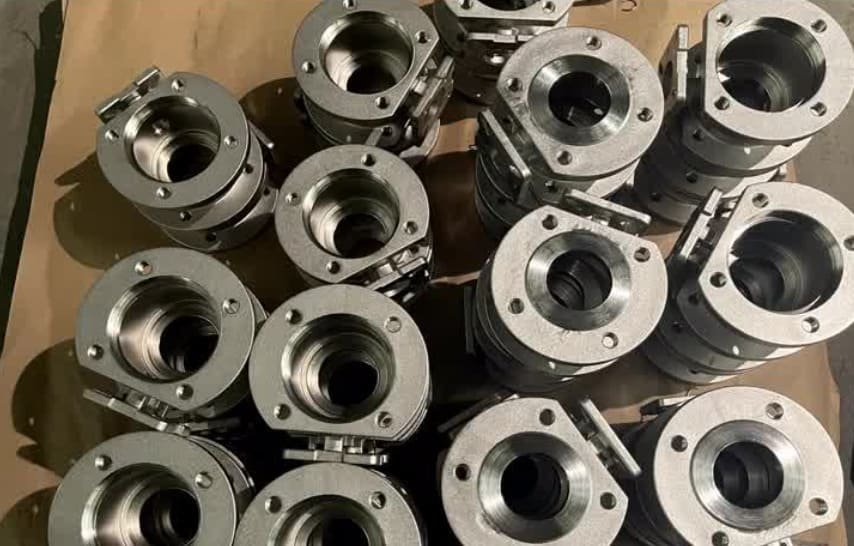
Nickel plating plays a critical role across a wide range of industries. Its unique blend of corrosion resistance, durability, and conductivity makes it a go-to surface treatment for parts that face extreme conditions. Let’s explore how different sectors put nickel coatings to work.
In the automotive sector, nickel plating protects automotive components like engine parts, fuel system fittings, electrical connectors, and decorative trim. These coatings shield critical parts from heat, friction, and road salt — extending their service life by years.
The world of electronics manufacturing relies on nickel for printed circuit boards, semiconductor packaging, and electrical contacts. Nickel’s excellent conductivity and solderability make it essential for reliable signal transfer in connectors and microelectronic assemblies.
When it comes to aerospace parts, nickel coatings handle extreme temperatures and corrosive environments. You’ll find them on turbine blades, landing gear, and fasteners — components where failure is not an option.
The healthcare field uses nickel plating on medical devices such as surgical instruments, orthopedic implants, and dental tools. These coatings provide a smooth, corrosion-resistant surface that supports strict sterilization requirements.
Nickel coatings are equally vital for industrial equipment used in oil and gas, defense, and heavy manufacturing. Valves, pumps, firearms, and optical systems all benefit from enhanced wear resistance and longevity.
| Industry | Common Plated Parts | Primary Benefit |
|---|---|---|
| Automotive | Engine parts, fuel fittings, connectors | Corrosion and wear resistance |
| Electronics | PCBs, contacts, semiconductor packages | Electrical conductivity |
| Aerospace | Turbine blades, landing gear, fasteners | High-temperature durability |
| Medical | Surgical tools, implants, dental devices | Biocompatibility and sterility |
| Oil & Gas | Valves, pumps, downhole tools | Chemical and heat resistance |
| Defense | Firearms, optics, vehicle parts | Enhanced performance and longevity |
| Jewelry | Necklaces, watch bands, buckles | Aesthetic finish and tarnish protection |
Nickel Plating vs. Zinc Plating Comparison
When choosing a surface finish for your project, the zinc vs nickel debate comes up often. Both coatings protect metal parts from degradation — but they do so in different ways. Your material selection criteria will depend on the environment, budget, and performance demands of your specific application.
Corrosion Protection Capabilities
Nickel excels at corrosion resistance in alkaline and high-temperature environments. It forms a dense, stable barrier that shields critical components from chemical attack. Zinc, on the other hand, offers reliable atmospheric protection through sacrificial corrosion — it corrodes before the base metal does. Zinc has served the automotive industry for nearly 100 years thanks to this trait.
One thing to watch: zinc is susceptible to galvanic corrosion when paired with dissimilar metals in wet conditions. Zinc-nickel alloy coatings bridge this gap by combining enhanced corrosion resistance with lower galvanic potential.
Cost-Effectiveness Analysis
A thorough cost analysis reveals trade-offs on both sides. This plating comparison breaks down key factors:
| Factor | Nickel Plating | Zinc Plating |
|---|---|---|
| Equipment Cost | Lower — simpler setup | Higher — more complex lines |
| Energy Consumption | Higher per batch | Lower per batch |
| Coating Lifespan | Long in harsh environments | Longer in atmospheric conditions |
| Recyclability | Limited | Fully recyclable |
Application-Specific Considerations
Your material selection criteria should weigh these practical differences:
- Zinc offers superior ductility — ideal for parts that need forming, crimping, or bending after plating
- Nickel delivers a brighter finish with greater thickness flexibility
- Nickel handles high-temperature service better
- Zinc supports sustainability goals through full recyclability
- Avoid plating parts that will require welding after coating
Conclusion
As this nickel plating summary highlights, the process plays a vital role across automotive, aerospace, construction, and other critical industries. It improves part longevity, enhances electrical conductivity, and delivers strong corrosion resistance. Both electroplating and electroless methods bring distinct advantages — and your finishing process selection should depend on project scope, part geometry, and end-use requirements.
Choosing the right approach comes down to material compatibility, surface condition, and performance goals. Emerging technologies — such as zinc-nickel alloys — are pushing the boundaries of what coatings can achieve by combining the strengths of both metals. These manufacturing solutions give engineers more flexibility when designing for harsh environments or demanding service conditions.
For complex applications, professional consultation is a smart step to ensure proper adhesion, coating quality, and compliance with industry standards. Trusted plating service providers like CNCPOR offer fast turnaround and cost-effective nickel and zinc plating for CNC-machined parts and sheet metal fabrications. Partnering with the right provider helps you get reliable results — without sacrificing speed or budget.
Related Questions
Which materials are suitable for nickel plating?
Steel, stainless steel, aluminum, brass and copper are commonly plated with nickel. Some specialized methods also make it possible to plate plastics, zinc die-cast parts and magnesium for particular applications.
How is electroless nickel plating different from electroplating and when is it chosen?
Electroless nickel plating deposits nickel-phosphorus through a chemical reaction without electrical current. It is selected for parts with complicated shapes that need an even coating, internal surface coverage and higher corrosion resistance.
Is it possible to achieve uniform nickel coatings on intricate shapes or internal features?
Yes. Electroless nickel plating produces an even layer on threads, recesses and detailed geometries. This ensures consistent protection across all exposed areas.
How do bright nickel plating and satin or dull nickel plating compare?
Bright nickel plating creates a reflective, mirror-like surface due to added chemicals. Satin or dull nickel plating produces a matte finish and offers greater ductility and purity.
Does nickel plating make metal parts harder and more durable?
Yes. Nickel plating can significantly increase surface hardness. Heat-treated electroless nickel can reach up to 70 Rockwell C which enhances resistance to abrasion, friction and sliding wear.
How does nickel plating serve as a base for other coatings like chrome or paint?
Nickel forms a smooth and corrosion-resistant foundation that helps top coatings such as chrome, gold or paint adhere more effectively. It also acts as a barrier to prevent the base metal from diffusing into the upper layers.