
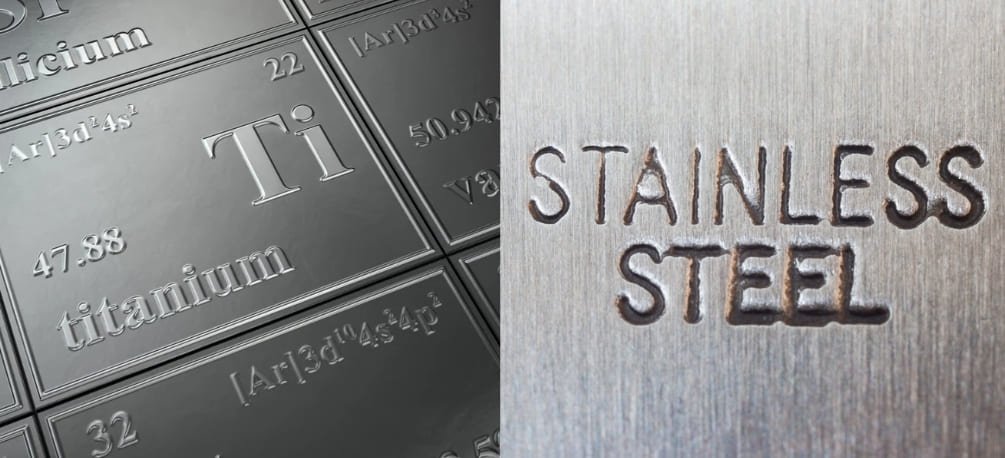
Deciding between Titanium vs Stainless Steel remains a central debate for professionals in modern manufacturing. Each metal offers unique benefits that can significantly impact the success of your design.
This guide provides the expert knowledge you need to make an informed decision. We will explore the granular data behind these metals to help you choose the right option for your specific application.
Understanding the Fundamental Differences Between Titanium and Stainless Steel
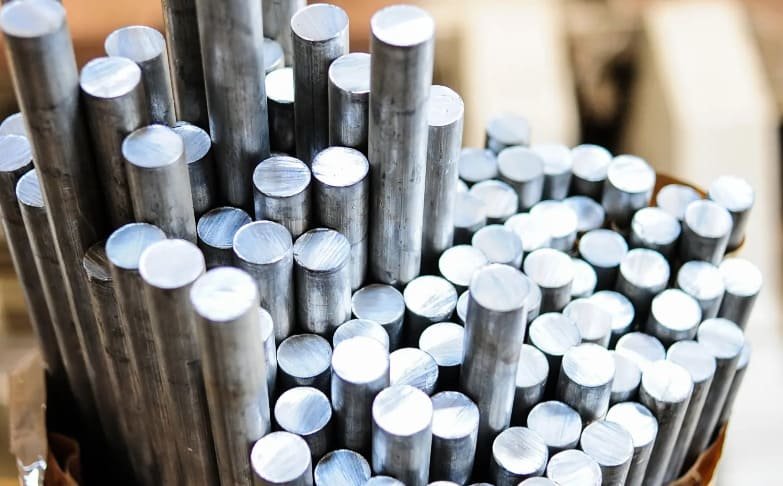
Stainless steel is defined by its complex, multi-element composition. Manufacturers combine iron with chromium, nickel, and other elements to create a robust alloy that resists corrosion. This deliberate mixing process allows engineers to fine-tune the material for specific industrial needs, ranging from kitchen cutlery to structural beams.
In contrast, titanium is frequently utilized in its nearly elemental state. Because it possesses an exceptional strength-to-weight ratio on its own, it does not always require the heavy alloying found in steel. This purity is a key factor in its unique metal properties, allowing it to maintain structural integrity in extreme environments where other materials might fail.
The following table highlights the primary differences in how these materials are structured and utilized:
| Feature | Stainless Steel | Titanium |
|---|---|---|
| Composition | Heavily alloyed | Nearly elemental |
| Primary Focus | Versatility and cost | Strength-to-weight ratio |
| Key Metal Properties | High durability | High biocompatibility |
Whether you prioritize the cost-effective versatility of steel or the specialized performance of titanium, knowing the underlying chemistry is your first step toward engineering success.
The Chemical Composition and Manufacturing Processes
While both materials serve critical roles in manufacturing, their paths from raw ore to finished product are fundamentally different.
How Titanium is Extracted and Refined
Titanium is a relatively modern material in the industrial world, having only become commercially viable since the 1940s. The extraction process is notoriously energy-intensive and complex, which contributes to its premium market position.
Refining titanium requires removing oxygen and other impurities from the ore through high-temperature chemical reactions. Once purified, manufacturers create various titanium alloys by adding elements like aluminum or vanadium to enhance specific mechanical properties.
The Alloying Process of Stainless Steel
In contrast, the production of stainless steel relies on a well-established metallurgical foundation. It begins with iron and carbon, which are then combined with chromium and nickel to provide corrosion resistance and structural strength.
Engineers categorize stainless steel grades based on their specific crystalline structure. For example, the widely used 300 series features an austenitic structure that provides excellent formability and durability for diverse applications.
| Feature | Titanium | Stainless Steel |
|---|---|---|
| Primary Elements | Titanium, Aluminum, Vanadium | Iron, Chromium, Nickel |
| Refinement Era | Post-1940s | Late 19th Century |
| Structure Type | Alpha/Beta Phases | Austenitic/Ferritic/Martensitic |
| Energy Intensity | Very High | Moderate |
Weight and Density Comparisons
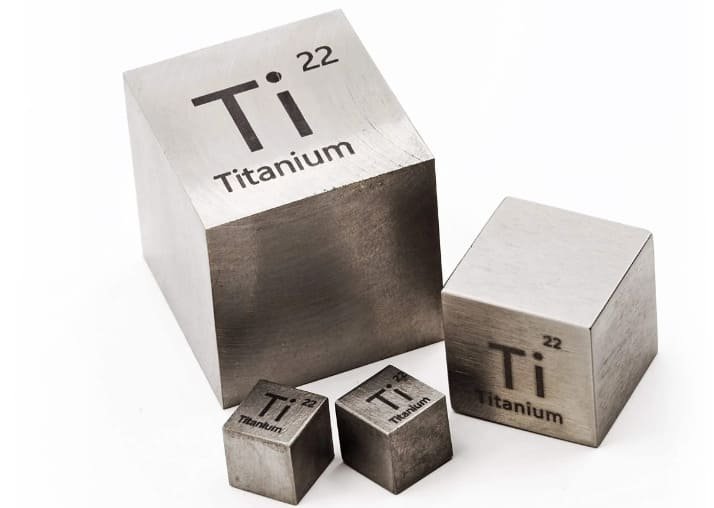
The specific metal density of your chosen material often dictates its suitability for high-performance engineering tasks. By evaluating how these metals behave under load, you can make an informed decision that balances performance with physical mass.
Why Titanium is the Preferred Choice for Aerospace
In the aerospace industry, every gram saved contributes directly to fuel efficiency and payload capacity. Titanium stands out because it offers a high strength-to-weight ratio, allowing engineers to design lighter components without sacrificing safety. This makes it the gold standard for airframes and engine parts where weight reduction is a primary objective.
Because titanium is significantly lighter than steel, it helps aircraft achieve better performance metrics. Designers rely on this material to push the boundaries of flight, ensuring that vehicles remain agile while maintaining structural rigidity during high-stress maneuvers.
The Practical Implications of Stainless Steel Weight in Daily Use
While titanium excels in the sky, stainless steel remains a powerhouse for ground-based industrial applications. Stainless steel is nearly three times more dense than aluminum, weighing approximately 8 g/cm³. This added mass is not always a drawback; in many scenarios, it provides a necessary “shielding” effect that protects equipment from high-impact forces.
You will find that the weight of stainless steel adds a sense of stability and durability to tools and machinery. Consider the following comparison to see how these materials stack up in terms of physical properties:
| Material | Density (g/cm³) | Primary Benefit |
|---|---|---|
| Titanium | ~4.5 | Weight Savings |
| Stainless Steel | ~8.0 | Impact Resistance |
| Aluminum | ~2.7 | Lightweight |
If your project demands portability, the lower metal density of titanium is likely your best path. However, if you are designing for heavy-duty industrial applications where vibration dampening and impact resistance are key, the weight of stainless steel becomes a distinct advantage.
Corrosion Resistance and Environmental Durability
When you design components for challenging environments, you must account for how materials interact with moisture, salts, and reactive chemicals. Selecting the right metal ensures that your equipment remains functional and safe over its entire service life.
Performance in Saltwater and Harsh Chemical Environments
Marine settings present a unique challenge due to the high chloride content in saltwater. Standard metals often fail quickly in these conditions, but specific alloys are engineered to thrive. For instance, 316L stainless steel incorporates molybdenum to significantly enhance its corrosion resistance against pitting and crevice attack.
While stainless steel performs well in many settings, titanium offers even greater protection in extreme chemical environments. Its natural properties allow it to remain stable even when exposed to aggressive acids or concentrated brine. This makes titanium a preferred choice for high-stakes industrial applications where failure is not an option.
Oxidation Resistance and Long-term Maintenance
The secret to titanium’s durability lies in its unique surface chemistry. When exposed to oxygen, titanium immediately forms a stable, protective passivation layer of titanium dioxide. This layer reaches a thickness of approximately 25 nm after several years, acting as a robust barrier against further environmental degradation.
This natural passivation provides a level of protection that is nearly equal to platinum. Because this layer is self-healing, it requires very little maintenance even in harsh settings. By understanding these chemical interactions, you can better predict the long-term reliability of your components and reduce the need for frequent replacements.
Titanium vs Stainless Steel Strength and Hardness Profiles
Engineers must evaluate how these materials react to physical loads to ensure safety and longevity.
Tensile Strength and Yield Strength Explained
To compare these metals, we look at two critical metrics: tensile strength and yield strength. Tensile strength measures the maximum stress a material can withstand while being stretched before it breaks. Yield strength, on the other hand, identifies the point at which a material begins to deform permanently.
Titanium, particularly Grade 5, is renowned for its exceptional performance in these areas. It boasts an ultimate tensile strength of 150 ksi, making it a powerhouse for lightweight, high-stress applications. While stainless steel is also robust, it often requires more mass to achieve the same load-bearing capacity as titanium.
Hardness and Scratch Resistance in Real-World Applications
Beyond structural load, surface durability is a major factor in daily use. We often use hardness testing to quantify how well a material resists indentation or surface damage. While titanium is incredibly strong, it is surprisingly prone to surface scratches compared to certain stainless steel alloys.
Stainless steel generally offers superior scratch resistance, making it the preferred choice for items that face constant friction. If your project involves high-contact surfaces, consider these mechanical trade-offs:
- Titanium provides a superior strength-to-weight ratio for structural components.
- Stainless steel maintains a harder surface finish that resists aesthetic wear.
- Proper hardness testing is necessary to predict how a part will age under specific conditions.
- Yield strength remains the most vital metric for preventing permanent structural failure in moving parts.
Choosing the right material requires balancing these mechanical profiles against your specific environmental needs. By prioritizing either raw strength or surface hardness, you can optimize your design for maximum efficiency.
Thermal Conductivity and Heat Management
Effective heat management is vital for the longevity of components like heat exchangers and engine parts.
Cooking Performance and Heat Distribution
In culinary applications, thermal conductivity determines how evenly a pan heats up. Titanium is known for its low thermal conductivity, which often leads to hot spots if not paired with a conductive core. This makes it less ideal for precision cooking compared to materials that distribute heat rapidly.
Stainless steel also has relatively low conductivity, but it is frequently manufactured with aluminum or copper layers to improve performance. By integrating these conductive metals, manufacturers create cookware that balances durability with efficient heat transfer. You should consider these composite structures if your goal is consistent temperature control.
Thermal Expansion and Structural Integrity Under Stress
Materials react to heat by expanding, which can compromise structural integrity if not accounted for in your design. Stainless steel 304 is a popular choice because it maintains stability at operating temperatures up to 1600°F (870°C). This high threshold allows it to function reliably in demanding industrial settings.
When evaluating these materials, you must look at how they maintain their mechanical properties under load. The following table highlights key performance metrics for these alloys:
| Property | Stainless Steel 304 | Titanium (Grade 5) |
|---|---|---|
| Max Operating Temp | 1600°F (870°C) | 800°F (427°C) |
| Tensile Strength | High | Very High |
| Yield Strength | Moderate | Excellent |
Engineers often prioritize yield strength to ensure that parts do not permanently deform under pressure. While titanium offers superior weight-to-strength ratios, stainless steel provides a more predictable response to extreme heat. Always verify the specific tensile strength requirements of your project to avoid failure modes caused by thermal expansion.
Biocompatibility and Medical Applications
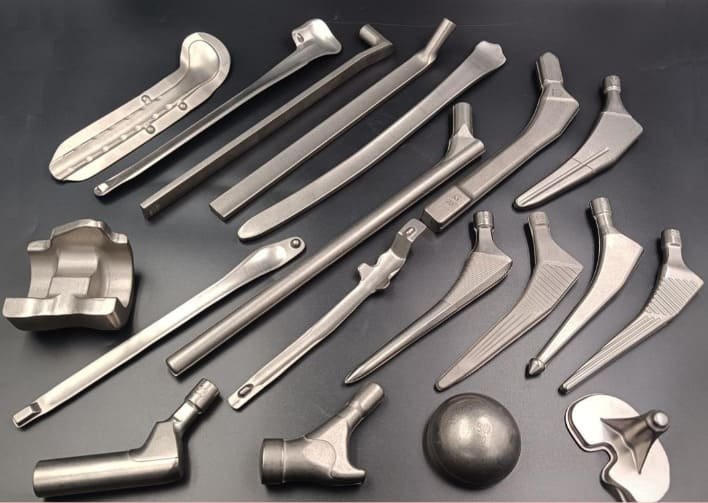
When choosing materials for medical implants, safety and biological compatibility are the most critical factors. Medical professionals must ensure that any device placed inside the body does not trigger an adverse immune response.
Engineers often evaluate how a material interacts with surrounding tissue over long periods. By prioritizing these interactions, the medical industry reduces the risk of rejection and promotes faster healing for patients.
Why Titanium is the Gold Standard for Implants
Titanium is widely recognized as the premier material for bone repair and joint replacement. Its exceptional biocompatibility allows it to integrate seamlessly with human bone, a process known as osseointegration. Because the body rarely rejects this metal, it remains the top choice for dental implants and orthopedic hardware.
Beyond its biological safety, titanium offers a unique combination of strength and low weight. These traits ensure that implants remain stable without placing unnecessary stress on the surrounding skeletal structure. Consider these primary advantages of using titanium in medical settings:
- Superior resistance to bodily fluids and corrosion.
- Natural hypoallergenic properties that prevent skin irritation.
- High strength-to-weight ratio for long-term durability.
- Ability to bond directly with living bone tissue.
Stainless Steel in Surgical Tools and Piercings
While titanium excels in internal implants, surgical-grade stainless steel remains the workhorse for external tools and temporary devices. This material provides the extreme hardness required for scalpels, forceps, and retractors that must maintain a sharp edge during complex procedures. Its ability to withstand repeated high-heat sterilization cycles is a major benefit for hospital environments.
Designers also consider thermal conductivity when selecting materials for surgical instruments. Stainless steel offers predictable heat management, which is vital when tools are exposed to autoclaves or high-energy surgical lasers. While it may not offer the same level of biological integration as titanium, its cost-effectiveness and structural rigidity make it indispensable for daily clinical use.
Cost Analysis and Market Availability
When you compare titanium and stainless steel, the most striking difference often lies in the initial investment required for your project. While both materials offer impressive durability, their price points reflect vastly different extraction and fabrication realities.
Factors Driving the High Price of Titanium
The premium price of titanium stems from its complex extraction process and the difficulty of working with the metal. Unlike more common metals, titanium requires energy-intensive methods to isolate it from its ore. Once refined, the material remains notoriously difficult to machine, often requiring specialized tools and slower production speeds.
In many industrial settings, the total cost of machining titanium alloys can reach up to 30 times that of stainless steel. This significant gap is due to the high heat generated during cutting and the tendency of the metal to gall or weld to cutting tools. Because of these manufacturing costs, you should reserve this material for applications where its unique strength-to-weight ratio is absolutely essential.
The Economic Advantages of Stainless Steel
Stainless steel remains the most cost-effective solution for a vast range of industrial and consumer applications. Its widespread availability and established supply chains keep raw material prices stable and predictable. You can easily source various grades, making it a versatile choice for projects that require high volume production.
Beyond its affordability, stainless steel offers excellent biocompatibility for many medical and food-grade applications. By choosing this material, you can achieve high performance while keeping your overall manufacturing costs well within your target budget. It provides a reliable, long-lasting finish that rarely requires the specialized, expensive processing steps associated with more exotic metals.
Aesthetic Appeal and Finishing Options
Beyond mechanical performance, the visual character of a metal often dictates its final application. While engineers prioritize structural data, designers focus on how a material interacts with light and touch.
When you select a material, you must consider how it will age and whether its surface can be maintained over time. Factors such as corrosion resistance and the underlying metal density influence how different finishes behave in various environments.
The Matte Finish of Titanium
Titanium is widely recognized for its distinct, industrial matte appearance. This natural oxide layer provides a sophisticated, low-luster look that is highly sought after in modern design. Because the surface is inherently stable, these finishes are often permanent and resistant to fading.
You will find that titanium does not require additional coatings to maintain its aesthetic appeal. The material is often bead-blasted or anodized to achieve specific color profiles or textures. These processes are common in high-end consumer electronics and aerospace components where a non-reflective surface is preferred.
Polishing and Reflective Properties of Stainless Steel
Stainless steel offers a versatile range of aesthetic possibilities, primarily due to its ability to be polished to a high mirror finish. This reflective quality makes it a favorite for kitchenware, architectural fixtures, and decorative hardware. Unlike some other materials, stainless steel can be buffed to remove light marks, effectively restoring a like-new appearance.
When you are deciding between these two materials, consider the following aesthetic and maintenance factors:
- Surface Restoration: Stainless steel allows for easy polishing to hide scratches, whereas titanium’s matte finish is harder to “buff out” without changing the texture.
- Hardness Testing: The surface hardness influences how easily a material can be polished or textured during the manufacturing phase.
- Visual Consistency: Titanium provides a uniform, muted look, while stainless steel offers a bright, reflective surface that catches the light.
- Design Flexibility: Stainless steel is often chosen for its ability to mimic chrome or silver, providing a classic, clean aesthetic for high-traffic areas.
Ultimately, your choice depends on whether you value the ability to restore a reflective surface or the permanent, understated elegance of a matte finish.
Common Use Cases for Each Material
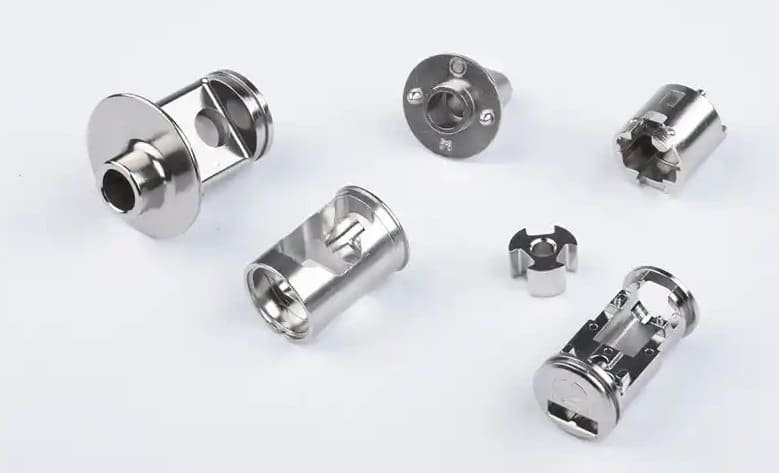
Selecting the right metal for your project requires a deep understanding of how specific properties translate into real-world performance. By analyzing the unique strengths of each alloy, you can ensure that your final product meets both functional and aesthetic requirements.
When to Choose Titanium for Outdoor Gear and Jewelry
Titanium is the premier choice when weight reduction is your primary goal. Its exceptional strength-to-weight ratio makes it ideal for high-performance outdoor gear, such as ultralight camping stoves, climbing equipment, and specialized bicycle frames. Because the metal is inherently biocompatible, it is also the gold standard for high-end jewelry and watches that require hypoallergenic properties.
When you prioritize long-term durability in harsh environments, titanium offers unmatched resistance to corrosion. While the initial manufacturing costs are higher than other metals, the longevity of the finished product often justifies the investment. Furthermore, the unique metal finishing options available for titanium, such as anodizing, allow for vibrant, permanent color changes without the need for paints or coatings.
When Stainless Steel is the Superior Choice for Kitchenware and Construction
Stainless steel remains the dominant material for large-scale construction and food service applications due to its reliability and affordability. Specifically, Grade 304 stainless steel holds 50% of the market share because it offers an excellent balance of weldability and corrosion resistance. This makes it the go-to option for commercial kitchen sinks, countertops, and structural components where hygiene is paramount.
When you evaluate various stainless steel grades, you will find that they provide consistent performance across high-wear areas. Unlike more expensive alternatives, these alloys are easy to clean and maintain, which is essential for public infrastructure. The ability to achieve a high-polish metal finishing ensures that these items remain visually appealing even after years of heavy use.
| Application Category | Recommended Material | Primary Benefit | Cost Factor |
|---|---|---|---|
| Aerospace Components | Titanium | Weight Reduction | High |
| Commercial Kitchens | Stainless Steel | Corrosion Resistance | Low |
| Medical Implants | Titanium | Biocompatibility | High |
| Structural Framework | Stainless Steel | Load-bearing Strength | Moderate |
Conclusion
Titanium offers an unmatched strength-to-weight ratio for high-performance aerospace or medical applications. It remains the top choice when mass reduction is your primary objective.
Stainless steel provides exceptional durability and ease of maintenance for everyday construction or kitchenware. It serves as a reliable, cost-effective solution for projects where extreme weight savings are not required.
We encourage you to review the mechanical, thermal, and economic factors outlined in this guide. This evaluation process ensures you make technically sound decisions for your future manufacturing endeavors.