
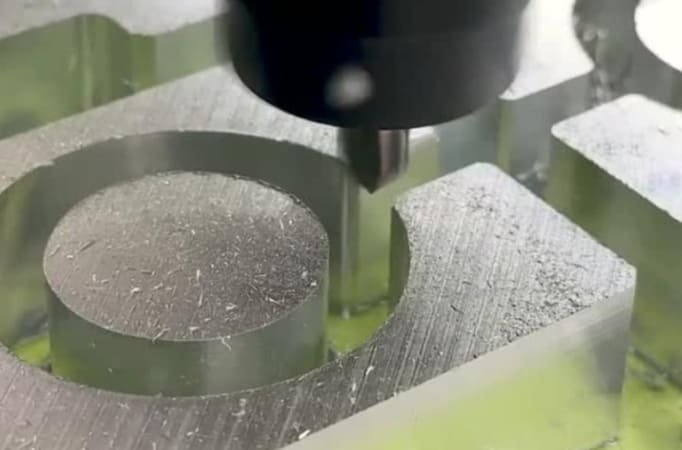
It’s true that many buyers face unclear quotes or unexpected fees from manufacturers when trying to get CNC machining services. But this blog post will help you avoid those issues. Here you’ll find the key factors that affect CNC machining costs, i.e., from materials to production time. You’ll also learn how you can get the best value for your desired parts.
What is CNC Machining?
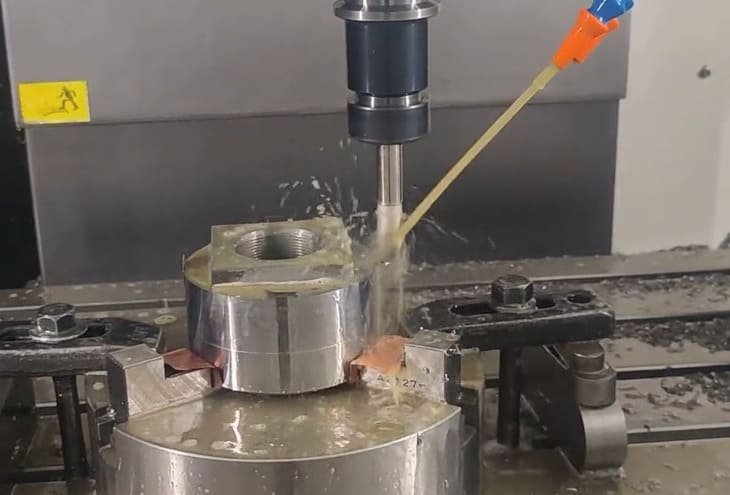
In CNC machining, computers are used to control machines that cut material from blocks of plastic, metal or wood to form different parts. This process relies on digital instructions (known as G-code) to guide tools with precision. This method produces complicated parts quickly and accurately. That’s why it is widely used in numerous industries such as automotive and aerospace.
How CNC Machining Costs Are Structured
By knowing how CNC machining costs are divided, you can better plan your budget and avoid unexpected expenses. Several categories make up the total cost and each one affects your final price in a different way.
Raw Material Cost
The price of material you choose can make up as much as 70% of a part’s total cost. Common metals like steel and aluminum typically cost around $2 to $5 per kg; but titanium can exceed $20 per kg. Waste produced during this subtractive process (cnc machining) also adds to material costs.
Machine/ Operating Cost
Machine cost is calculated by multiplying the hourly rate of CNC machines by the machining time. Standard 3-axis machines usually cost around $30 to $40 per hour. In contrast, advanced 5-axis machines can range from $75 to $120 per hour. This rate also includes energy usage, depreciation and maintenance.
Labor Costs
Labor cost represents the wages of skilled individuals who operate the machines. This includes CNC programmers, operators and setup specialists. In the U.S., experienced operators typically charge $20‐$30 per hour. This reflects their crucial role in the process.
Tooling
Tooling includes the cost of drill bits, cutting tools as well as inserts used during machining. This category typically accounts for 3% to 6% of the total expense. However if a job needs advanced or custom tooling, costs can rise quickly—particularly for more complicated parts.
Overhead & Indirect Cost
Overhead and indirect costs include the ongoing expenses of running a machine shop. Rent, insurance, utilities and administrative salaries fall into this group. These costs are not directly tied to a single part but shops distribute them across each project’s total cost.
Key Factors That Affect CNC Machining Costs
1. Material Selection
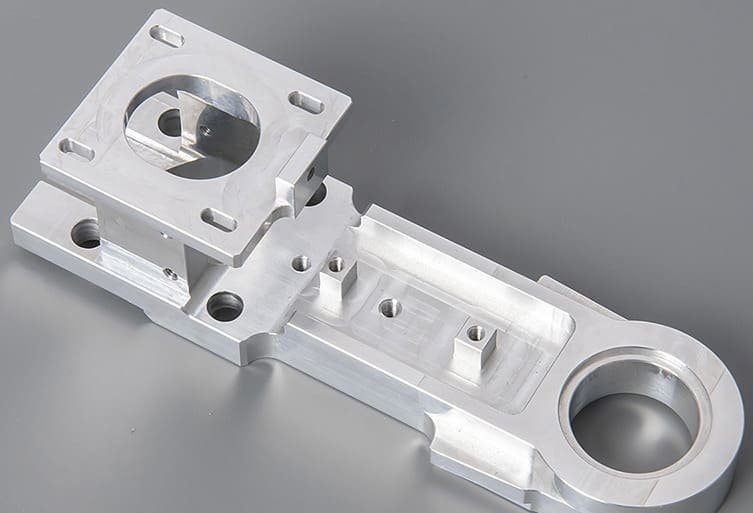
Choice of material impacts the entire process and can change the cost by 60% to even 400%. Aluminum is generally 60% to 75% cheaper as compared to stainless steel. The cost of Inconel or titanium is much higher because these materials are difficult to machine and wear out tools more quickly.
For example a CNCPOR customer saved 70% of cost by switching from titanium to aluminum and also received their parts faster—a decision he made after our engineering review.
2. Part Complexity & Geometry
Complicated shapes and fine designs significantly increase the cost. Simple parts may need only an hour of machining. In contrast a part with intricate geometry—such as a turbine blade—can take up to 10 hours. Thus greater complexity means longer machine time and higher expenses.
3. Machine Type & Axes
The type of machine affects the hourly rate. A basic 3-axis machine operates at a lower cost per hour while a 5-axis machine is more expensive.
But a 5-axis machine can produce complicated parts with fewer setups. Sometimes this reduces the overall project cost even if the hourly rate is higher.
4. Tolerances
Tighter tolerances increase machining time and may need specialized tools or additional quality checks. A standard tolerance of ±0.005 inches keeps the cost lower. But if you need a tighter tolerance (let’s say ±0.001 inches) then the cost can increase by two to four times.
5. Surface Finish & Post-Processing
A finer surface finish causes tools to wear out faster and increases production time which raises overall costs. For example reducing surface roughness from 3.2 to 0.4 μm can raise costs by 11 to 15%.
Additional steps such as anodizing, polishing or bead blasting need extra labor and materials. This further increases the final charges.
6. Batch Size & Production Volume
A larger number of parts in your order reduces the cost per unit because of economies of scale. Basically when more units are produced, the initial setup costs are spread across them and this makes every part cheaper. According to this formula, if you increase the batch size from one to 1,000 parts, it can reduce the unit cost by more than 90%.
7. Setup Time
Setup time includes all the time spent in loading programs, preparation of tools as well as in adjusting fixtures. Most setups take 1 to 2 hours and cost between $60 and $200. This is particularly true for new or complicated parts. Reducing setup time lowers costs and also improves efficiency.
8. Programming & Machining Time
Programming gives the machine its instructions while machining time refers to how long the machine works on your part. Parts with more complicated geometry need more time for both—which ultimately increases the total cost. Typically, machining time makes up 25% to 35% of the total project cost.
How to Calculate CNC Machining Cost→ Step-by-Step
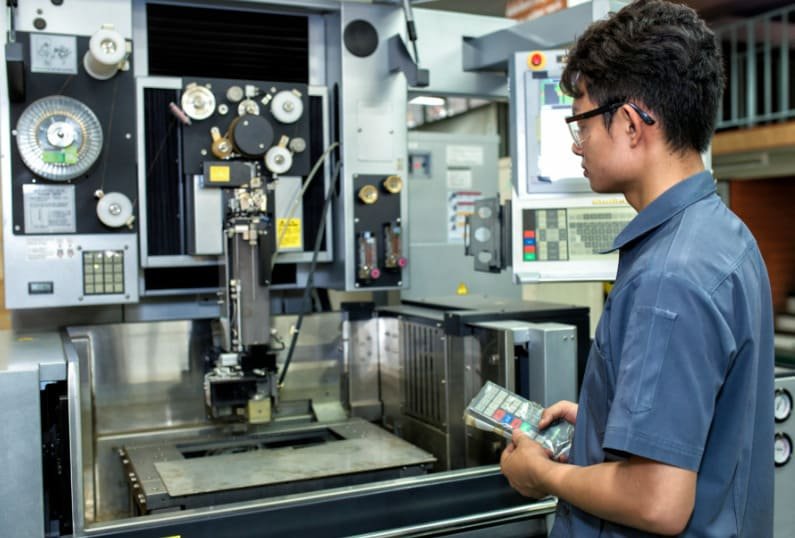
Determination of exact cost of a CNC project may seem difficult but you can get a reliable estimate by following a few clear steps.
Define the Scope→ Part, Quantity, Materials, Finish
Start by listing your complete project requirements. Provide a detailed 3D CAD model of the part. Clearly specify the material, total quantity and desired surface finishes. These details are very much important to receive an accurate quote.
Estimate Raw Material Cost
The next step is to estimate the cost of raw materials. Include the stock material that will be removed during machining. Identify the block size required for your part. After this, calculate its volume or weight and multiply it by the material’s price — for example, $5 to $10 per pound for aluminum.
Estimate Machine Time & Hourly Rate
First, determine how long it will take the CNC machine to produce your part. Its total time depends on the part’s complexity and machinability of the material. Once you know the time, multiply it by the machine’s hourly rate. A 3–axis machine might cost around $40 per hour while a 5-axis machine can reach up to $120 per hour.
Include Tooling, Fixture & Consumables Cost
After estimating machining time, add the cost of fixtures and tooling. This covers custom jigs, cutting tools as well as coolants. Their prices depend on the part’s complexity and the hardness of the material. Harder materials wear out tools faster and increase overall costs.
Add Labor & Programming Cost
Next, include the cost of skilled labor. It covers the hours spent on CAD/ CAM programming as well as the manual setup along with supervision of the machine. If the part is complex, setup and programming will take longer which ultimately increases total labor costs.
Add Post-Processing & Finishing Cost
Don’t forget to include post‐processing requirements. Tasks like anodizing, deburring, painting or heat treatment are performed after machining. Every finishing process has its own cost which adds to the final per-part price.
Include Overheads, Scrap & Waste Allowance
Don’t overlook indirect expenses such as factory rent, utilities as well as administrative costs — these are mostly included in the machine’s hourly rate. You should also allow a 5 to 10% margin for material waste, scrap and potential rework. This step makes your budget more accurate and complete.
Calculate Cost Per Part
To determine the cost per part, add up all your estimated costs—machining, materials, labor, tooling, finishing and overheads. Then divide this total by the number of parts you plan to produce. This will give you the final per-part cost.
If you want a completely accurate estimate, CNCPOR can send you a free quote within 24 hours — you just need to provide your 3D files.
Ways to Reduce CNC Machining Costs
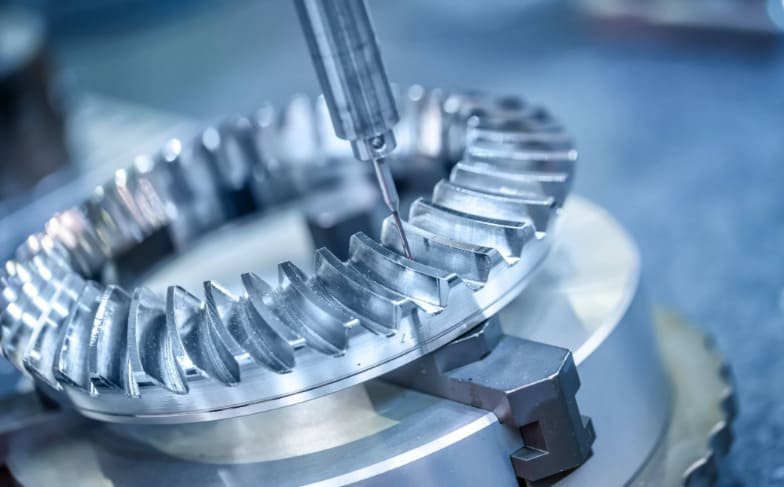
Controlling CNC machining costs helps keep your projects competitive and proficient. You can use different effective strategies to lower expenses while maintaining quality in every production run.
1. Design for Manufacturability (DFM)
Simpler part designs with standard features are easier and cheaper to machine. Thin walls, deep pockets as well as sharp corners increase both machining time & overall cost therefore it’s best to avoid them. Moreover reviewing DFM early in the process can reduce total project costs by 15 to 30%.
At CNCPOR, our engineers provide a free DFM analysis along with your quote. This helps you identify potential savings before production begins.
2. Choose Appropriate Materials & Finishes
Choose materials that are easy to machine and align with your part requirements and budget. For example aluminum 6061 machines 60–75% faster as compared to stainless steel. By skipping unnecessary plating or polishing, you can save 15 to 30% on post‐processing. Making balanced choices also reduces tool wear and speeds up production.
3. Optimize Batch Size & Production Volume
Ordering more parts at once lowers the cost per unit. Fixed setup costs get spread across more units in larger batches. For instance increasing your order from 50 to 100 parts can significantly reduce the per-part cost.
4. Reduce Machine Time & Setups
Design your parts to minimize machining time. If a part can be completed in a single setup then overall cost decreases. Fewer setups mean less manual work and reduced need for complicated multi-axis machines which cuts total expenses.
5. Standardize Parts & Processes
Where possible, use standard sizes for threads and holes. This is because standard tools are cheaper than custom ones. Additionally standardizing components also minimizes tool changes. This saves both time and money.
6. Plan for Waste Reduction
Good design, proper material sizing as well as efficient stock management help reduce waste. CAD/ CAM software lets you nest parts closely and create efficient toolpaths. You can also recycle fluids and metal scraps. Doing so can lower material costs by up to 15%.
7. Consider Regional Outsourcing
Outsourcing to regions with lower equipment and labor costs can reduce machining expenses by 20 to 50%. In this way you avoid investing in expensive machines or taking on additional operational risks. Reputable shops in these regions offer faster turnaround times and competitive pricing. This approach helps you manage your budget more effectively and scale production as needed.
Common Mistakes & Challenges in Costing
Errors in costing can inflate project budgets, no matter how experienced the engineer may be. Avoiding these mistakes helps protect your margins and keeps you competitive.
- Over-specifying tolerances: Many people add unnecessarily tight tolerances in areas where they aren’t needed. So now you need more time, specialized tools and more inspections; this can increase your machining costs by more than 200 percent.
- Forgetting finishing and post-processing: Some cost estimates leave out the expense of finishing steps. Services such as painting, anodizing or heat treatment are charged separately and can significantly increase the final cost per part.
- Ignoring Design for Manufacturability (DFM): Complicated designs with deep or narrow pockets or thin walls are difficult to machine. These features increase tool wear and machine time which can quickly drive up the total project cost.
To Sum Up
Balancing your design decisions with budget constraints is the key to understanding CNC machining costs. You can lower expenses if you choose the right materials, reduce part complexity and carefully plan production runs. CNCPOR provides expert guidance about this to help you achieve affordable machining. You can contact us at any time.
Related Questions
How does material selection affect CNC machining costs?
The type of material impacts both the price of raw stock and time required for machining. Titanium for example, can be five to ten times more expensive than steel and can reduce the life of your tool by about 66 percent.
Why does part complexity increase CNC machining expenses?
Parts with complicated designs need additional programming, more setup and specialized tools. These factors can double machining time and raise costs by 30% or even more.
How do machine configuration and axis count affect CNC machining hourly rates?
Simple parts are produced on 3‐axis machines which cost $40‐80 per hour. 5‐axis machines, because of their higher capabilities and the expertise needed to operate them, charge $75–200+ per hour.
How does batch size change the per‐part cost in CNC machining?
Production of larger batches spreads setup costs across more pieces. This reduces the per‐part price by 30 to 50%. Buying materials in bulk for higher volumes can also bring additional discounts.
What typical hourly rate ranges can you expect for CNC machining?
Hourly rates of machining normally start at $40 for 3-axis mills and can reach $200 for 5-axis work or specialty tasks. Project complexity and location also affect rates.