
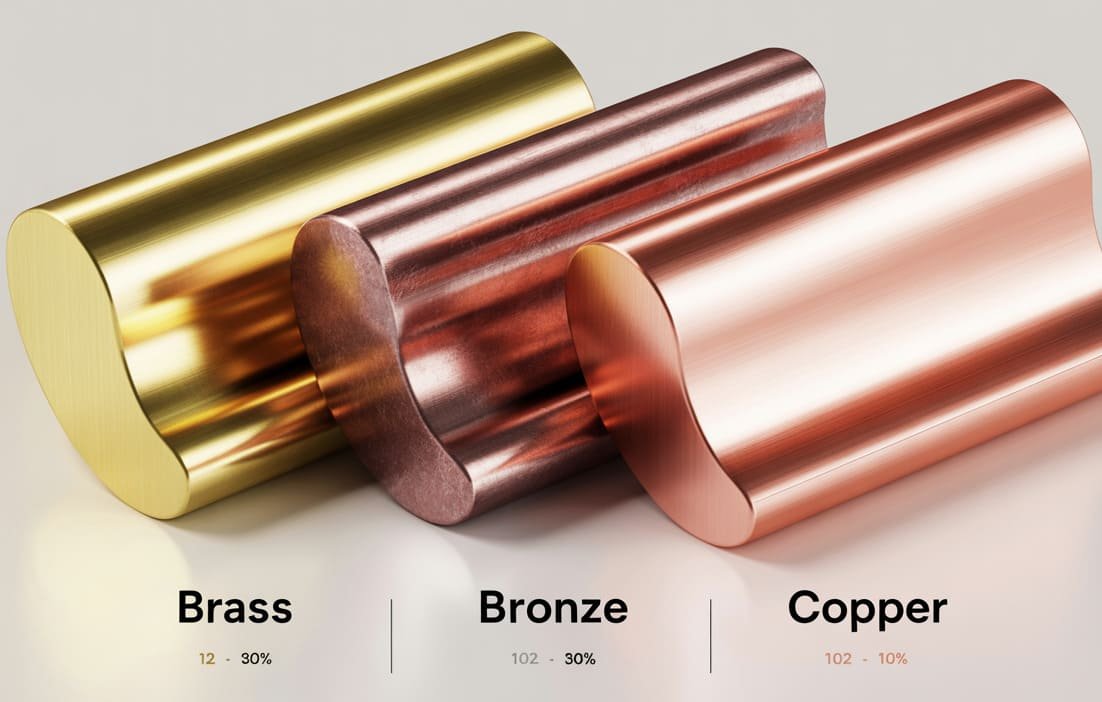
Ever wondered what really sets brass, bronze and copper apart? They may share a copper base but their behavior, durability and looks are very different. In this blog post we’ll explain the key differences clearly so that you’ll know which metal works best for your project or product.
Composition & Alloying Elements_ Brass vs Bronze vs Copper
Copper
Copper is a pure element, usually at least 99% pure in commercial grades. Its simple makeup gives outstanding thermal & electrical conductivity and also high ductility. This purity makes copper easy to bend for pipes, wiring as well as other intricate forms.
Brass
Brass is an alloy of copper and zinc—typically 60 to 70% copper and 30 to 40% zinc. Some special brasses may contain small additions of aluminum or lead to boost machinability or strength. Higher zinc content of brass shifts its color towards golden yellow and improves hardness.
Bronze
Traditional bronze is often around 88 to 95% copper with 5 to 12% tin which boosts wear resistance and hardness. Modern bronzes may also add a few percent aluminum, nickel, lead or phosphorus to fine‐tune casting, bearing performance or corrosion resistance.
Color, Patina & Surface Finish
Typical Color Tones
Copper
Freshly polished copper shows warm reddish‐orange color tone like a new penny. Over time, it develops verdigris—the blue‐green patina on statues and historic roofs.
Brass
Brass shows a bright yellow-gold appearance. Higher zinc content creates lighter yellow tones while low-zinc brasses look golden-red. It typically dulls to a dark golden-brown.
Bronze
Bronze appears dull reddish-brown or dark gold often called “chocolate brown.” It lacks brass’s bright sheen and projects a more industrial or antique aesthetic.
Practical Tip
To identify pieces, look for “verdigris” (green crust); this strongly indicates copper or high-copper bronze. Bright gold, slippery items are likely brass. In doubtful cases, examine the surface; brass is usually smooth and texture-free while bronze often shows faint casting rings or a rougher grain structure.
Strength, Hardness & Durability_ Brass vs Bronze vs Copper
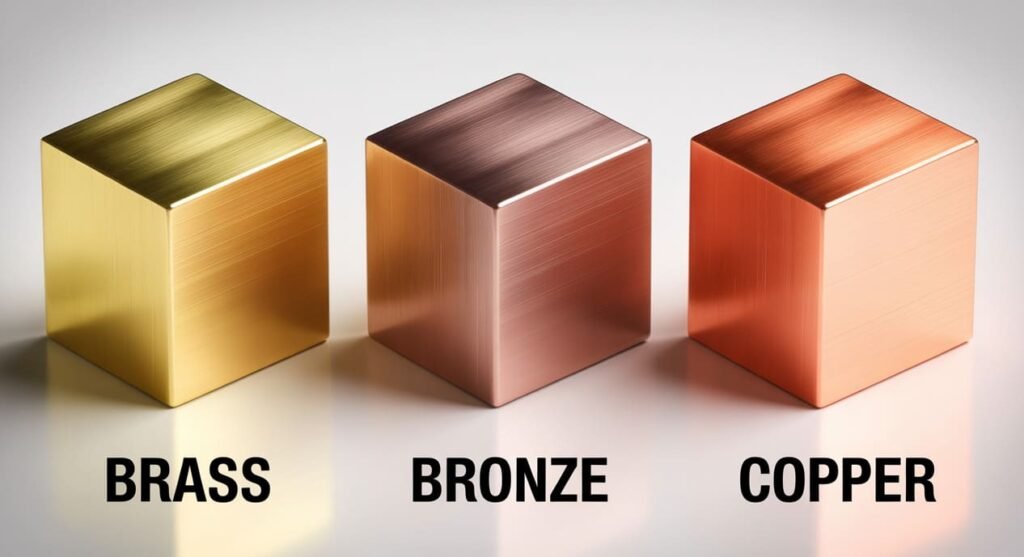
Bronze stands out for durability and strength with Brinell hardness values ranging from 40 to 420 and a yield strength up to 800 MPa. In contrast, brass is moderately hard and shows 55 to 73 on the Brinell scale and yields strengths between 95 & 124 MPa. However pure copper is the softest—Brinell hardness at 35, yield strength around 33 MPa—but is very ductile and resists cracking.
These differences directly impact component lifespan. Bronze is the standard for high-friction parts like marine bushings because it resists wear under heavy loads. Conversely manufacturers choose brass for decorative trims or light-duty fittings where structural wear is less critical but durability against minor impacts is still needed. Additionally copper is usually chosen where flexibility matters most.
Corrosion Resistance & Environmental Performance
Bronze ranks highest for corrosion resistance which makes it a superior choice for harsh saltwater environments. Its tin content forms a durable protective layer that withstands aggressive marine conditions better than other alloys. Similarly, copper performs extraordinarily well outdoors by developing a green patina that shields the underlying metal from decay.
In contrast brass generally offers the lowest environmental durability among these three metals. It often suffers from dezincification, a process where zinc leaches out and leaves a porous, weak copper structure behind. Therefore engineers typically select bronze for marine hardware while reserving standard brass for dry, indoor applications.
Machinability & Workability
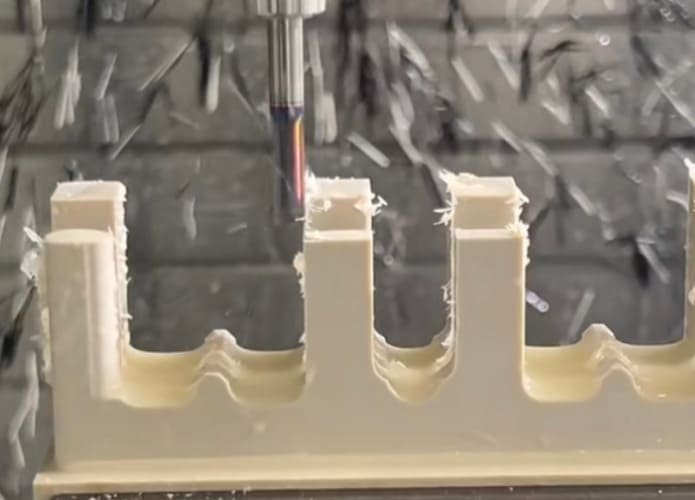
Brass is the undisputed king of machinability with a 100% machinability rating for Free-Cutting Brass (C36000). It is ideal for high volume automated production of intricate parts like fittings and valves. In contrast pure copper is hard to machine despite being soft. Its high ductility makes it “gummy” and produces long, stringy chips that clog tools and coat cutting edges.
Bronze, on the other hand, sits between these extremes with performance varying by alloy. While phosphor bronze machines cleanly and holds tight tolerances, high strength aluminum bronzes are abrasive and wear tools faster. Therefore choose brass for speed but expect slower cycle times and very sharp specialized tooling when working with copper.
Castability, Formability & Joining
Castability
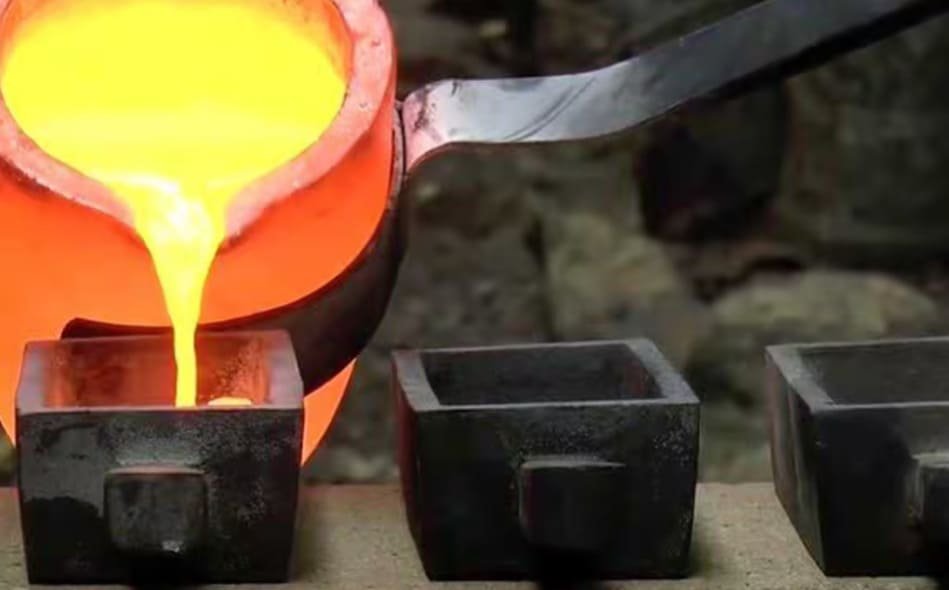
- Bronze excels in casting. Its superior fluidity fills intricate molds perfectly which aid in capturing fine details for hardware and statues.
- Brass also casts well but zinc evaporation can cause porosity issues.
- Pure Copper is difficult to cast; it absorbs gases that often lead to defects like bubbles.
Formability
- Copper is highly ductile and can be easily bent, drawn or hammered into complicated shapes.
- Brass offers good cold formability especially in pliable low-zinc grades.
- Bronze is stiffer and this makes it poor for cold forming unless worked hot.
Joining
Copper and bronze are excellent for TIG welding and brazing. Brass, however, is tricky to weld. High heat causes its zinc to vaporize which creates toxic fumes and weak porous joints. It is better suited for soldering or brazing.
Whether you need precision casting, forming or joining, RICHCONN provides complete fabrication and finishing support to match your material and application.
Electrical & Thermal Conductivity
In electrical performance, pure copper is the benchmark with a conductivity rating of 100 to 101% IACS . Alloying it significantly lowers this value. Brass typically has a conductivity of about 28% IACS while most bronze alloys often fall between 12% & 20% IACS.
This performance ranking directly translates to thermal conductivity. Copper is an outstanding conductor of heat which makes it highly efficient for thermal management. Brass and bronze, on the other hand, are far less effective at transferring heat.
Real-World Implications
Copper’s dual excellence makes it the top choice for busbars, wiring as well as heat sinks. Although less conductive, brass and bronze offer extraordinary strength and corrosion resistance. This makes them ideal for connectors and terminals where durability matters as much as current flow.
Density, Weight & Structural Behavior
While all three are relatively heavy metals, their densities do have slight but important differences. Pure copper is the densest at approximately 8.96 g/cm³. Bronze alloys are typically next; though their density varies widely from 7.4 to 8.9 g/cm³ depending on the specific alloying elements. Brass is generally the lightest of the group with most common alloys falling between 8.4 & 8.7 g/cm³. While these differences seem small, they impact weight-sensitive applications like aerospace components or moving machinery parts.
Structurally, bronze offers superior stiffness and high fatigue strength and this makes it best for load-bearing parts. On the other hand, brass provides extraordinary vibration damping which helps reduce noise in fittings and instruments.
Availability, Cost & Recyclability
Brass is generally the most affordable option because zinc is significantly cheaper as compared to copper. In contrast, pure copper often commands the highest price because of its purity and massive global demand for electrical infrastructure. Bronze prices, on the other hand, typically fall in the middle but can fluctuate wildly; specialized alloys with high tin or nickel content may even exceed copper’s cost.
All three metals are infinitely recyclable without losing their properties. This makes them highly sustainable choices. Scrap value remains high for all, though copper scrap fetches the best price, followed by bronze and then brass. This high resale value significantly offsets initial material costs for large industrial projects.
At CNCPOR, we help customers compare these alloy trade-offs so that they can choose materials that offer the best balance of cost and recyclability.
Typical Uses of Brass, Bronze & Copper
Each material’s distinct properties make it a top choice for particular industries and tasks.
Copper
- With excellent electrical conductivity, copper is essential for busbars, wiring as well as electronics.
- Its high thermal conductivity suits HVAC systems and heat exchangers.
- In architecture, it serves in cladding and roofing thanks to its corrosion resistance.
Brass
- It is common in plumbing fittings, valves and other hardware.
- Its gold-like appearance suits decorative items and musical instruments.
- You will also find brass in lock components and ammunition casings.
Bronze
- Bronze is used for heavy-duty parts like bearings, bushings and gears.
- It is best for marine hardware, including propellers and ship shafts because of its saltwater resistance.
- Artists also choose bronze to create durable statues and bells.
Brass vs Bronze vs Copper Comparison Table
| Property | Copper | Brass | Bronze |
| Composition | Pure Cu | Cu + Zn (+ Pb, etc.) | Cu + Sn (+ Al, Ni, P, etc.) |
| Color | Reddish brown | Yellow to gold | Brownish red |
| Hardness/ Durability | Soft to medium | Medium | Medium to very hard |
| Corrosion Resistance | Very good | Moderate (risk of dezincification) | Excellent, especially in seawater |
| Electrical Conductivity | Very high (~100% IACS) | Medium | Lower |
| Thermal Conductivity | Very high | Moderate | Moderate to high (by alloy) |
| Machinability | Fair (gummy) | Excellent | Fair to poor (by alloy) |
| Castability | More difficult | Good | Very good |
| Typical Applications | Wiring, HVAC, roofing | Fittings, valves, hardware, instruments | Bearings, bushings, marine parts |
| Relative Cost | Higher | Moderate | Moderate to high (special bronzes) |
Which Material Should You Choose for Your Project?
Selection of the right metal depends entirely on your performance requirements.
1. When to Choose Copper
Opt for copper when electrical or thermal conductivity is non-negotiable such as in high efficiency busbars, wiring or heat exchangers. It is also the best choice if you need exceptional ductility and formability for drawing wire or creating intricate shapes without breaking.
2. When to Choose Brass
Select brass for affordable machining and high dimensional accuracy in mass-produced parts like connectors, fittings as well as valves. It is also ideal when you need a decorative gold‐like appearance with moderate corrosion resistance for architectural hardware like handles and hinges.
3. When to Choose Bronze
Choose bronze for heavy-duty applications involving high loads and friction such as bearings, bushings and gears where wear resistance is critical. It is also mandatory for parts exposed to seawater like marine propellers because of its superior saline corrosion resistance.
If you’re comparing brass, copper and bronze and aren’t sure which alloy suits your loads, environment and budget, CNCPOR’s engineers can always advise you on selection.
To Sum Up
Selection between copper, brass and bronze significantly impacts your project’s success. Copper excels in electrical and thermal conductivity. Brass offers superior machinability for precision components. Bronze delivers exceptional durability in harsh, corrosive environments. Right choice depends on whether your project values performance, aesthetics, durability or budget the most.
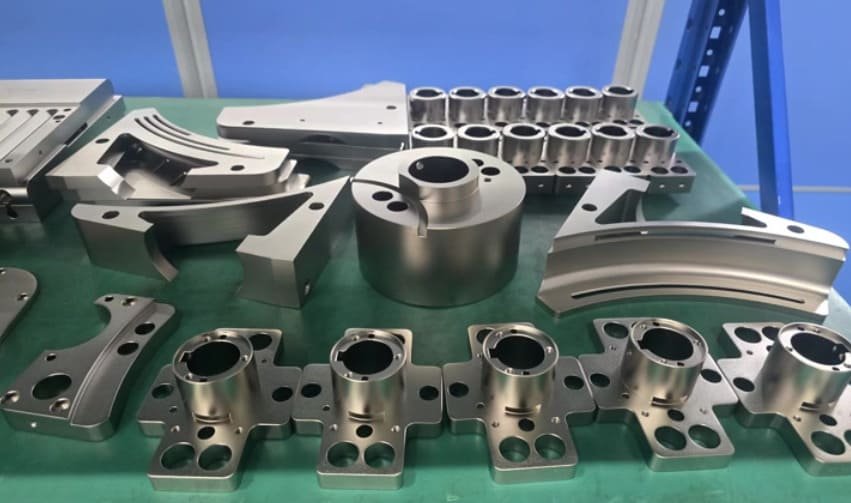
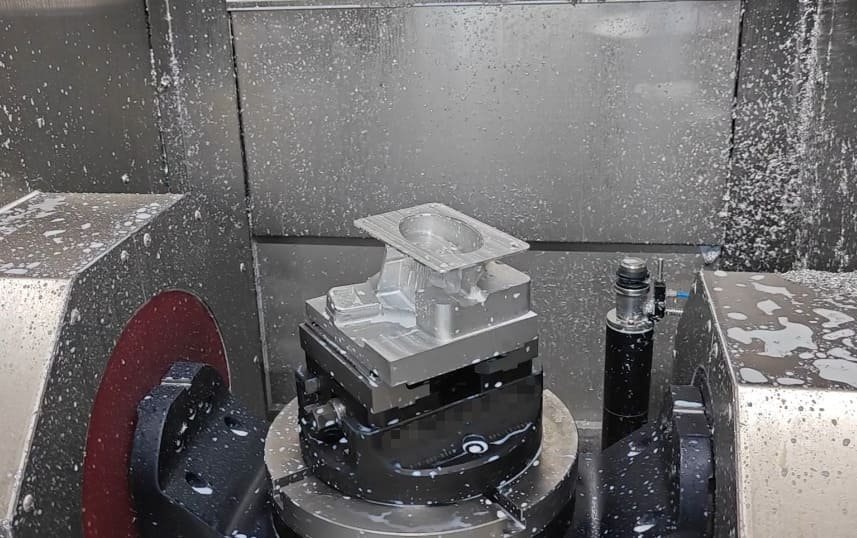
If you need precision CNC machining services for any of the copper alloy then CNCPOR is your best option. You can contact us anytime.
Related Questions
Which Metal Has the Best Corrosion Resistance?
Bronze usually gives the best corrosion resistance, especially in marine and very harsh outdoor environments. Copper also resists corrosion well while many brasses are more vulnerable, especially to dezincification.
Can Brass, Bronze and Copper Be Welded or Brazed Together?
Yes they can. But success depends on compatible alloys, correct filler metal and controlled procedures. Therefore always follow professional welding and brazing guidelines.
Which Material Is Better for Outdoor Decorative Hardware?
For outdoor decorative hardware, choose brass if you want a bright, gold‐like look and do not mind regular polishing. Choose bronze if you prefer a darker patina, lower maintenance and higher strength in tough outdoor conditions.
Are Brass, Bronze and Copper Safe for Food Contact?
Many copper, brass and bronze alloys are used for cookware, serving utensils and brewery equipment. However, safety depends on the right alloy, proper linings and strict compliance with local food-contact regulations.