
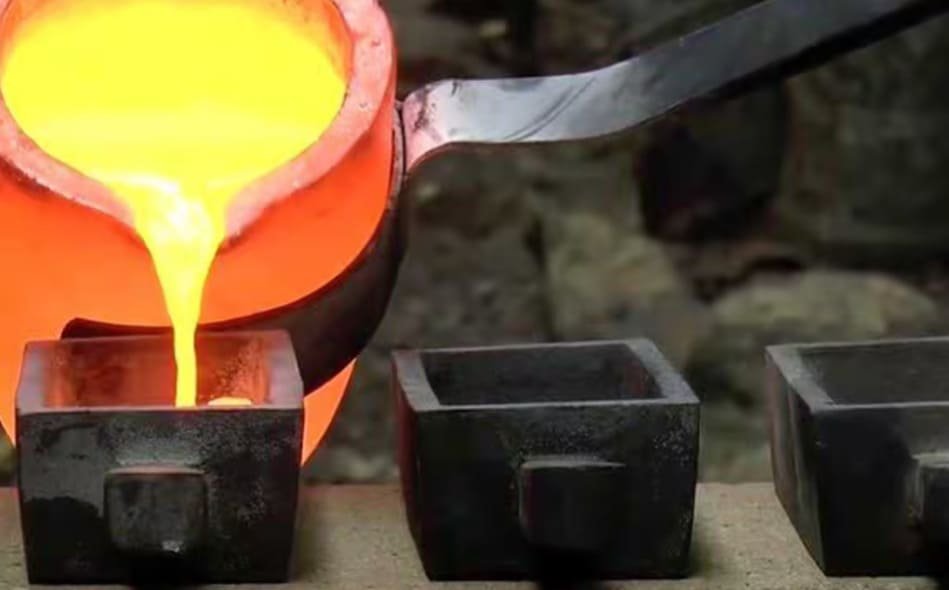
Working with copper can be challenging if you’re not clear about its melting point and how it reacts to high heat. Even minor errors can cause weak welds, casting issues or parts that don’t hold up. In this blog post we will break down copper’s melting temperature, how alloys change it and why it matters in mechanical engineering.
What is the Melting Point of Copper?
Melting point is the exact temperature where a metal changes from solid to liquid. For engineers, this marks the thermal threshold where structural integrity and mechanical properties begin to break down. It’s essential to know this point for casting, welding as well as other heat treatment operations.
Exact Melting Point of Pure Copper
For pure copper, this critical temperature is precisely 1084.62°C (1984.32°F). This value is an international standard for copper with at least 99.3% purity.
Why This Temperature Matters in Mechanical Engineering
This melting point defines how copper behaves under heat during fabrication. It determines the energy needed in melting, casting and joining of copper. It also affects ductility and strength at elevated temperatures. This helps engineers determine safe operating limits for mechanical systems.
Melting Point of Copper Alloys

Pure copper has a specific melting point but addition of other elements significantly alters this thermal behavior.
Overview of Copper Alloy Systems
When manufacturers introduce elements like tin or zinc to copper, they create an alloy system. These additions disrupt the metal’s atomic crystal lattice structure. Consequently, the melting point usually drops or broadens into a range as compared to pure copper. However, specific elements like nickel can actually raise the melting temperature. Therefore engineers use these shifts to customize the thermal behavior of copper for specific manufacturing needs.
Common Copper Alloys & Their Melting Ranges
| Copper Alloy | Melting Range (°C) | Typical Mechanical Uses |
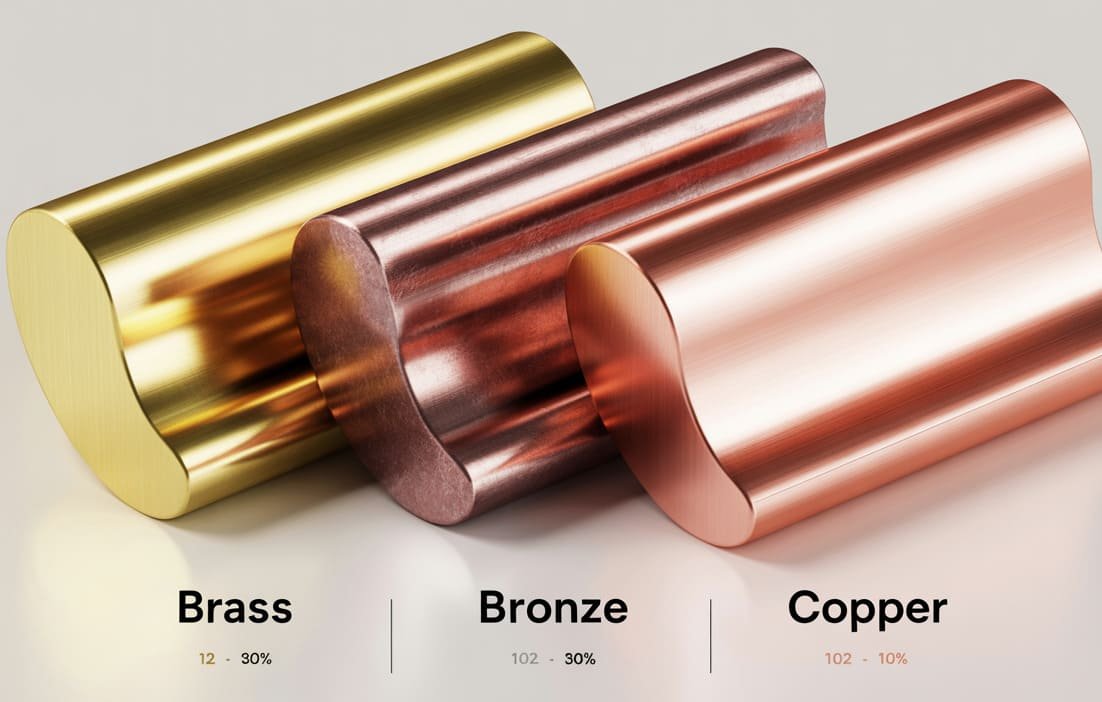
| Brass (Cu-Zn) | 900 – 940°C | Valves, fittings and cartridge cases. |
| Bronze (Cu-Sn) | 850 – 1000°C | Bearings, bushings and sculptures. |
| Cupronickel (Cu-Ni) | 1170 – 1240°C | Marine piping and heat exchangers. |
| Beryllium Copper | 866 – 982°C | Non-sparking tools and springs. |
Solidus vs Liquidus Temperatures In Alloys
Unlike pure copper, alloys melt over a temperature range. The “solidus” is the temperature where melting starts. Conversely, the “liquidus” is the temperature where the alloy becomes completely liquid. Between these points lies a “mushy zone” which contains both solid and liquid phases.
Influence of Melting Point on Mechanical Properties
A material’s melting point is directly linked to its mechanical behavior, particularly at elevated temperatures. For copper, this property determines how well it performs in situations that require both heat and structural strength.
Thermal Conductivity & Heat Resistance
Copper’s melting point defines its excellent thermal conductivity (approx. 400 W/m·K). This high conductivity spreads heat quickly and reduces hot spots in mechanical parts. As temperature rises near the melting point, this conductivity drops gradually. So engineers must design parts to operate well below melting thresholds to sustain efficient heat transfer.
Ductility & Mechanical Strength near Melting
As copper approaches its melting temperature, it softens and this leads to a reduction in strength but an increase in ductility. This characteristic facilitates manufacturing processes like extrusion and forging which then let the metal be shaped with less force. However, it also defines the upper limit for its use in structural applications.
Creep, Deformation & Homologous Temperature
Melting point defines the homologous temperature (the ratio of operating temperature to melting point) which is key to predicting long-term performance. At ratios above 0.4 Tm, copper becomes susceptible to creep—slow deformation under constant stress. Designers must consider this effect to avoid gradual failure in parts that face long term stress.
Top 4 Factors that Influence the Copper Melting Point
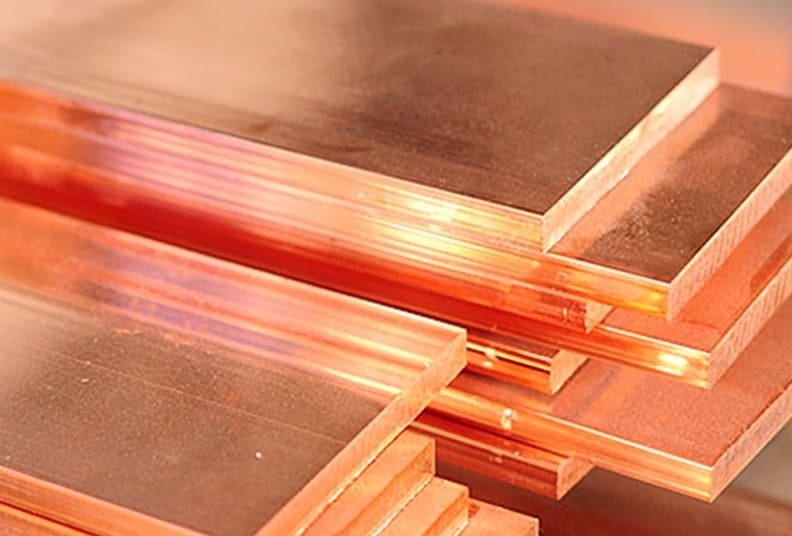
While pure copper has a defined melting point, several factors can alter this temperature in practical applications. Understanding these variables is key for controlling manufacturing outcomes.
Alloy Composition & Impurities
Adding elements changes melting behavior significantly. For example, creating brass by adding zinc to copper lowers the melting range to 900–940°C, whereas alloying with nickel raises it. Even trace impurities like sulfur or oxygen can disrupt metallic bonds which cause a localized drop in the melting temperature.
Environmental Conditions & Pressure
Pressure directly influences copper’s melting point. Under high pressure, tightly packed atoms need more energy to break bonds and this slightly increases the melting temperature. Conversely, in a vacuum, the melting point can decrease by 10-15°C because of the absence of atmospheric pressure and surface oxidation.
Microstructure, Grain Size & Defects
Internal structure plays a vital role. Atoms at grain boundaries possess higher energy than those within grains. Consequently, fine-grained materials with more boundary area may exhibit slightly lower melting temperatures, as melting initiates at these high-energy sites (i.e. boundaries). Crystal defects also contribute to this effect by creating localized stress.
Surface Area & Size Effects
At the nanoscale, melting points decrease dramatically. This “melting point depression” occurs because a large fraction of atoms resides on the surface, where they are less constrained and need less energy to become mobile. For example 50 nm copper nanoparticles have shown a melting point depression exceeding 600°C.
Industrial Applications of Copper according to its Melting Point
Copper’s high melting point is fundamental to its use across a range of high-temperature industrial processes.
Copper Casting & Foundry Work
Copper’s melting point of 1085 °C sets the baseline for casting. Furnaces must exceed this to assure that the molten metal flows fully and to prevent defects like cold shuts. Precise temperature control between 1080 to 1100 °C is very important here. It improves grain uniformity and reduces defects in bushings, housings as well as complicated parts.
Welding & Joining Processes
Copper’s melting point dictates the choice and control of welding methods like brazing or TIG. These processes must supply enough heat for a strong joint but remain below full melting to avoid weakening the base metal.
Also, because copper conducts heat rapidly, welders need precise heat input to maintain a stable puddle. This careful control ensures strong metallurgical bonds without causing significant distortion or overheating.
Heat Treatment & Mechanical Fabrication
Copper’s melting point sets the upper limit for heat treatments like annealing which softens the metal and improves ductility. Performed between 300°C and 650°C—well below melting—annealing relieves internal stresses from cold working without harming the material’s structure. This process allows for easier fabrication during forging and forming.
High-Temperature Mechanical Systems
In high-temperature systems, copper and its alloys are vital for retaining strength at elevated temperatures. They are used in heat exchangers, engine components as well as in rocket engine nozzles where temperatures can exceed 500–700°C. The high melting point ensures these components perform reliably under intense thermal stress.
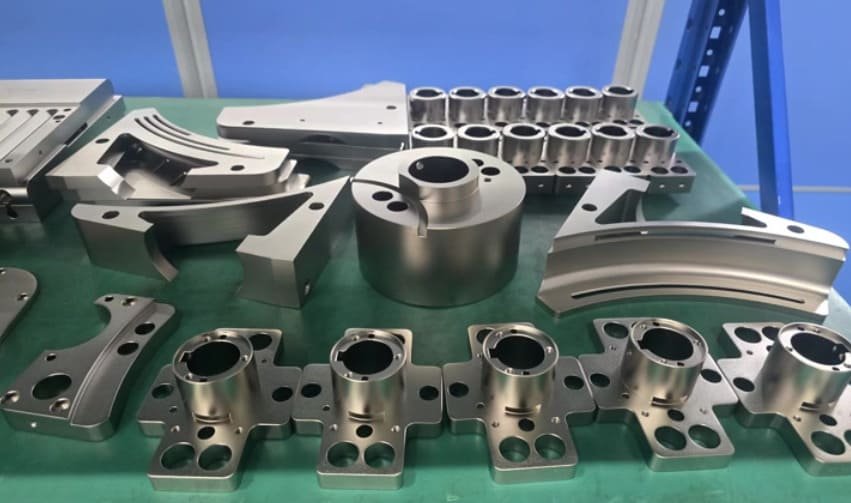
At CNCPOR, we use precision CNC machining to build copper‐casting molds capable of withstanding copper’s high melting point. We strictly use heat-resistant tool steels that won’t warp or crack at temperatures above 1085°C. This ensures your molds maintain tight tolerances and a long lifespan.
Copper Melting Defects & Mechanical Implications
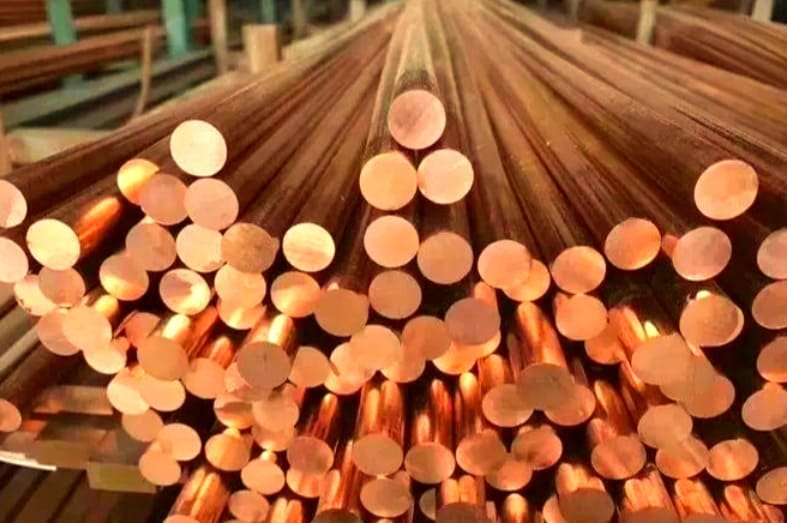
Improperly managing temperatures around copper’s melting point can introduce defects that directly impact the final component’s integrity.
Common Defects during Melting
- Porosity: Trapped gases form small voids or bubbles within the solidified copper.
- Shrinkage: As copper cools and solidifies, it contracts which can create cavities if there isn’t enough molten metal to fill the gaps.
- Incomplete fusion: This occurs in welding when the copper does not fully melt and merge, resulting in a weak joint.
Causes of Melting Defects in Mechanical Applications
These defects often arise from poorly managed thermal conditions. Rapid or uneven cooling rates lead to significant thermal gradients which cause shrinkage and stress. Furthermore, contamination from the environment or moisture can introduce gases like hydrogen into the molten copper; this leads to widespread porosity as the metal solidifies and gas solubility decreases.
Detection & Prevention Methods
Non-destructive testing (NDT) techniques are essential to identify internal defects without damaging the part. Methods like ultrasonic testing can detect subsurface porosity while radiographic testing reveals shrinkage cavities.
Preventing these defects involves optimizing process parameters. This includes precise temperature control during melting & pouring and controlling the cooling rate. Proper ventilation and clean materials can also minimize gas porosity.
Comparing Copper with Other Engineering Metals
Copper’s melting point positions it uniquely among common engineering metals. This comparison highlights its place in manufacturing.
| Metal | Melting Point (°C) | Melting Point (°F) | Key Manufacturing Implication |
| Aluminum | 660 | 1220 | Requires low energy for casting; suitable for lower temperature use. |
| Copper | 1084 | 1983 | Moderate energy needs; good for high-temperature electrical applications. |
| Steel (Carbon) | 1425–1540 | 2600–2800 | High strength but demands very high energy for processing. |
| Nickel Alloy | ~1300–1350 | ~2350–2460 | Superior high-temperature strength, making processing energy-intensive. |
Practical Considerations for Engineers
Handling copper at its melting point requires diligent process control, safety and efficiency. Engineers must balance these factors to assure high-quality results in applications like casting and welding.
Temperature Monitoring & Control
Precise temperature management is critical when working with molten copper. Maintaining the melt just above its 1085°C point is key. Modern induction furnaces often use PID controllers for tight temperature stability. For accuracy, thermocouples—specifically Type K or R—are directly immersed in the melt for real-time data. This prevents overheating (which wastes energy) and underheating (which can cause casting defects).
Safety & Operational Standards
Working with molten copper introduces significant safety hazards which makes proper personal protective equipment (PPE) mandatory. This includes heat‐resistant gloves, face shields as well as flame‐resistant clothing. Good ventilation is also crucial to remove potentially toxic fumes.
Furthermore, steam explosions are a major risk therefore all tools and materials must be completely dry before contacting molten copper.
Cost & Energy Efficiency
Melting copper is energy‐intensive therefore efficiency is a primary concern. Modern induction furnaces offer higher efficiency (over 70%) than traditional gas-fired furnaces. Continuous smelting and waste heat recovery systems can further reduce energy consumption. Optimizing furnace charge times and using high‐quality insulation also contribute to significant cost savings.
To Sum Up
Understanding copper’s melting point is crucial for its successful use in mechanical engineering. This key thermal property governs everything from casting and welding to the final component’s performance and reliability.
If you need a partner who brings this deep material knowledge to life through manufacturing, we’re here to help. You can contact us anytime.
Related Questions
The Melting Point of Copper: Complete Guide for Manufacturing & Engineering
Yes. Alloying copper with a metal that has a higher melting point (like nickel) will increase its melting temperature. Similarly, high‐pressure environments can also slightly raise the melting point.
How does the melting point of copper affect its use in electrical systems?
Copper’s high melting point ensures that electrical wires can handle high currents and heat generated during use without failing or softening. This prevents equipment damage and electrical fires.
Which melts faster; aluminum or copper?
Aluminum melts faster. It has a significantly lower melting point of about 660°C (1221°F) while copper melts at a much higher temperature of 1084.62°C (1984.32°F).
Is copper easy to melt?
Compared to metals like aluminum, copper is more difficult to melt because of its higher melting point. However, it is easier to melt than steel.