
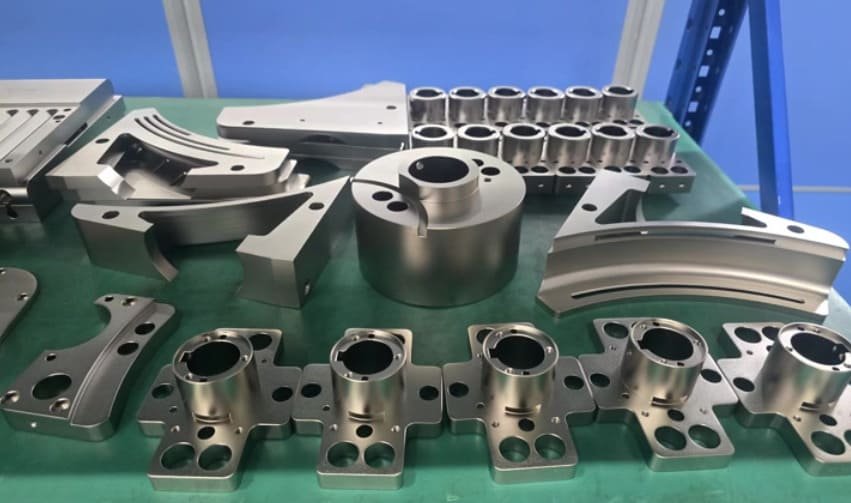
Nickel plating is not just the act of putting a simple layer on a product. It is an important engineering solution that enhances both the strength and appearance of an item. Manufacturers depend on this process to protect equipment from corrosion and to improve the appearance of everyday products.
In this blog post you will learn how nickel plating works, what its main types are and which industries depend on it.
What is Nickel Plating?
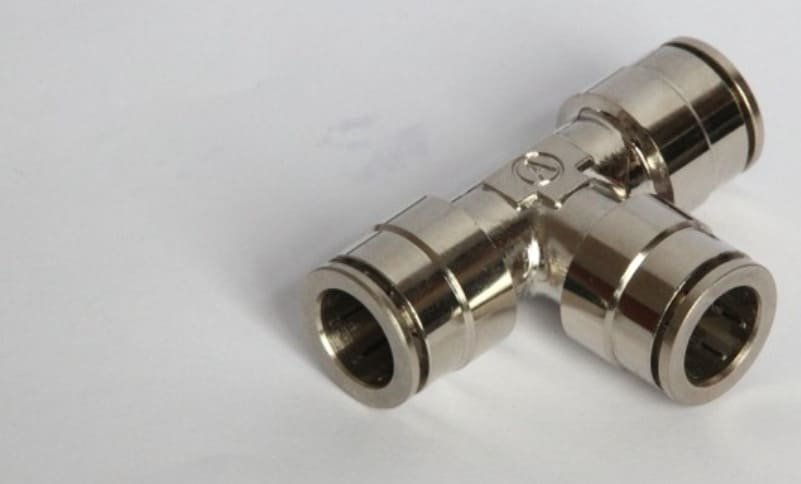
Nickel plating is a finishing process that covers a surface with a thin layer of nickel. This layer protects the part from corrosion and wear while also improving its appearance. Manufacturers use either chemical or electrical processes for this. The layer typically has a thickness of 5 to 50 microns.
Nickel Plating Process
Different steps are needed to perform nickel plating successfully. Each stage prepares the part for the next which ensures strong adhesion and reliable results.
Surface Preparation
The first step is proper surface preparation. Before plating, the part must be completely clean. Technicians begin by using alkaline cleaners at 60 to 80°C to remove oils. After that, oxide films are removed through acid activation. To check cleanliness, they perform the “water break test.” Here water should flow smoothly across the surface without forming beads.
Plating Methods
Once the part is clean, it can be coated with nickel. There are two primary methods; using a chemical reaction or electricity. The best method depends on the part’s design and its intended use.
Electrolytic (Electroplating) Method
In electrolytic plating, a direct electric current is used to apply nickel. The part acts as the cathode in a chemical bath while the nickel anode dissolves and deposits metal onto the surface. This method produces a shiny and decorative finish and is generally cost-effective.
Electroless Nickel Plating Method
In electroless plating, electricity is not used. Instead, a chemical reaction coats the part with nickel. The part is placed in a heated bath at about 195°F where a reducing agent triggers the bonding of nickel to the surface. This method produces a very even layer, no matter how complex the shape of the part may be.
Types of Nickel Plating
1. Electrolytic Nickel Plating Types
Electrolytic nickel plating offers several finishes for different applications. Bath additives and plating conditions determine the final appearance. Each finish is designed either for decorative purposes or for functional performance.
Bright Nickel Plating
Sulfur based organic brighteners create a highly reflective, mirror-like surface known as bright nickel plating. This finish is mainly decorative but also provides corrosion protection. Because it contains a higher amount of sulfur, this coating is less ductile as compared to dull nickel.
Dull/ Satin Nickel Plating
Dull nickel plating produces a matte, non-reflective surface because it contains no brightening agents. This type is preferred in engineering settings where function takes priority over appearance. It offers extraordinary ductility and serves as a reliable base for subsequent coatings.
2. Electroless Nickel Plating Variants
The amount of phosphorus distinguishes one electroless nickel coating from another. This element changes hardness, magnetic behavior and corrosion resistance.
Low Phosphorus Electroless Nickel
Low phosphorus electroless nickel contains 2 to 5% phosphorus. It provides the highest as‐plated hardness which reaches up to 60 Rockwell C. This type offers strong solderability and wear resistance but corrosion protection is lower than other variants. It is best for parts that need high surface durability.
Medium-Phosphorus Electroless Nickel
Medium-phosphorus coatings contain 5 to 9% phosphorus. This is the most commonly used type because it balances hardness and corrosion resistance. It deposits quickly and gives a bright, decorative look. Moreover it is suitable for general industrial applications where moderate wear and protection are needed.
High-Phosphorus Electroless Nickel
High-phosphorus electroless nickel contains 10 to 14% phosphorus. Among nickel coatings, this type provides the highest corrosion resistance. Its amorphous structure makes it non-magnetic and highly resistant to acids. It is often chosen for mining, gas & oil and marine environments.
Key Benefits of Nickel Plating
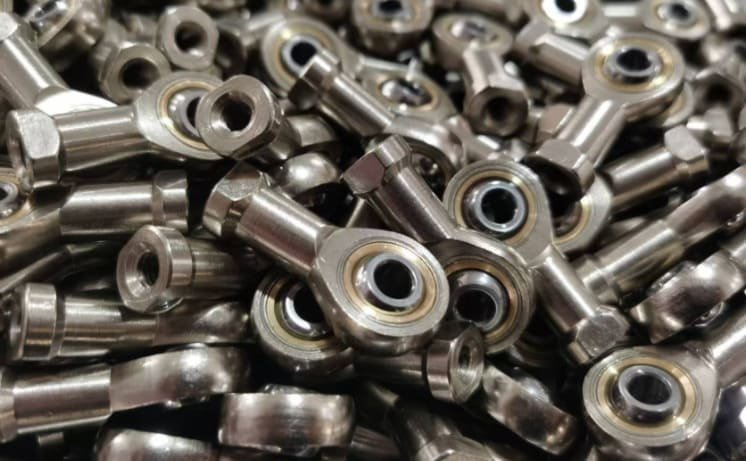
Nickel plating greatly improves metal parts which help them last longer and perform better.
Increased Wear Resistance
A layer of nickel reduces friction and helps prevent surface damage caused by abrasion or sliding contact. Some low-friction types such as those containing PTFE prevent seizing even under high loads.
Hardness
Nickel coatings can become very hard on the surface. Some types reach 68 to 70 Rockwell C after heat treatment. This hard surface protects against scratches and mechanical wear.
Corrosion & Environmental Resistance
Nickel coating shields metal from chemicals, moisture and oxidation. It can withstand 240 to 1,000 hours in neutral salt spray tests before red rust appears.
Uniform Coating on Complicated Shapes
Electroless nickel coats uneven surfaces, threads and internal cavities with even thickness. This method maintains tolerances and prevents edge buildup that often occurs during electroplating.
Durability
Nickel-plated parts handle high heat and mechanical stress very well. This strength helps parts last longer and reduces the need for frequent maintenance or repairs in industrial machines.
Improved Aesthetics & Finish Quality
Nickel can create various looks, from a bright mirror finish to a matte satin style. These finishes increase the appearance and perceived value of consumer goods.
Improved Adhesion
Nickel forms a strong bond with base metals. This bond helps subsequent coatings like chrome or paint adhere better. It also prevents peeling and makes the surface more durable.
Versatility
This process works with many materials including brass, copper, steel and some plastics. Nickel plating is suitable for both decorative purposes and demanding engineering requirements.
Limitations & Considerations
Nickel plating offers many advantages. However it also has certain limitations that are important to understand. Knowing these factors helps you choose the best option for your particular needs.
1. Cost
Nickel plating is often more expensive than tin or zinc, particularly when layers thicker than 25 μm are needed or when parts have complicated shapes. Their pricing starts at a few dollars per square foot but can rise quickly when electroless baths, the need for precise thickness control or additional steps like post‐plate baking and testing are involved.
2. Suitability
Some materials do not work well with nickel plating. For example, titanium and certain plastics need special pre-treatment to achieve good adhesion. Nickel can also cause allergic reactions for some people. This makes it unsuitable for jewelry or wearable products.
Working with an experienced partner like CNCPOR makes the selection process easier. We help you choose the correct plating method for your material and part design so the finish can deliver the desired performance.
3. Additional Processing
Post-treatment is often necessary after nickel plating. High-strength steels must be baked to prevent hydrogen embrittlement; otherwise cracks may form. Heat treatment is also common to maximize the hardness of the coating.
4. Environmental or Health Considerations
Nickel can trigger skin sensitivity (dermatitis) after prolonged contact. Industrial nickel plating also produces wastewater containing nickel ions. This waste must be carefully treated according to environmental regulations before disposal.
Typical Applications of Nickel Plating
Automotive Components
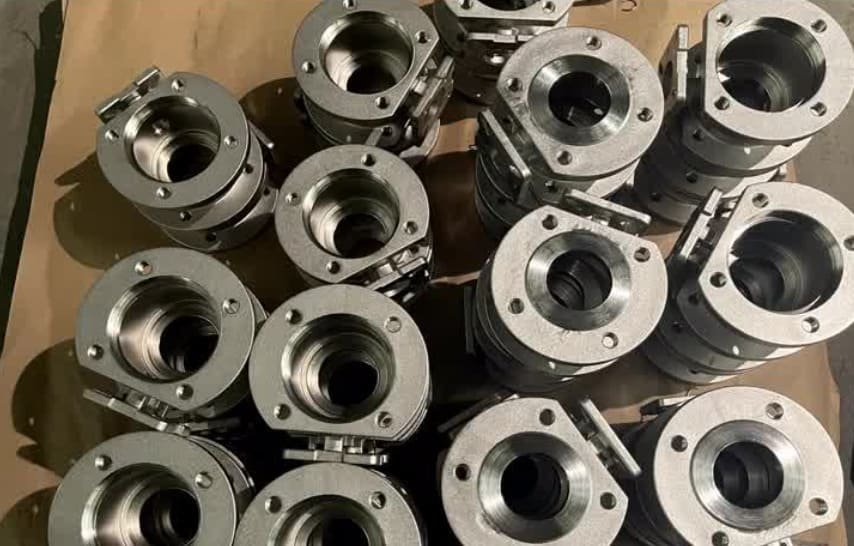
In automotive applications, nickel plating protects pistons, engine parts, fuel injectors, brake components and EV connectors. It shields them from wear, road salt as well as hot fluids. Bright nickel is also used on exterior trim, wheels and badges to prevent corrosion and maintain appearance.
At CNCPOR, we regularly support automotive clients. We ensure the plating meets strict durability standards so that valves and connectors perform reliably on the road.
Machinery & Industrial Parts
Nickel plating helps industrial bearings, gears and shafts resist friction and abrasion during demanding operation. This coating prevents galling and keeps valves and pumps precise. As a result, equipment lasts longer.
Aerospace
Aerospace components such as actuators, landing gear, turbine shafts and fasteners are protected with nickel plating. This coating shields them from wear, de-icing chemicals and salty environments. Electroless nickel works especially well on complicated fuel-system parts and connectors where uniform coverage of 10 to 50 μm is essential.
Medical
Surgical instruments and diagnostic equipment benefit from the corrosion resistance and lubricity of electroless nickel. This coating withstands repeated sterilization and harsh disinfectants. Additionally tools retain their integrity and continue to function safely and hygienically.
Electronics & Electrical Industry
Nickel plating protects contacts and connectors from corrosion which ensures stable electrical connections. It also acts as a diffusion barrier that prevents copper from migrating into gold layers on printed circuit boards. Moreover battery contacts also use nickel plating to resist oxidation.
Decorative/ Consumer Goods
Appliances, hardware, jewelry and home fixtures gain a shiny and durable finish through nickel plating. This layer protects against scratches, tarnish and wear. Everyday items such as faucets, furniture and eyeglass frames combine style with added surface durability.
How to Choose the Right Nickel Plating Type for Your Needs
To select the best nickel plating method, consider your part’s function, shape and budget. Electroless nickel is suitable for complicated shapes where even thickness and strong corrosion resistance are needed.
Electrolytic plating is better for projects that need a decorative look or pure nickel for conductivity and it is available at a lower cost. Always review wear demands, the working environment and standards like ASTM B733 before making a final decision.
If you need help, CNCPOR’s engineering team can review your design and recommend the right finish for your material and budget.
To Sum Up
Nickel plating offers a combination of versatility, strong corrosion resistance and improved wear life. This makes it valuable across many industries. You can use it for both decorative finishes and functional protection. Choosing the correct nickel plating process ensures the best value. For dependable and high‐quality nickel plating tailored to your needs, contact CNCPOR’s specialists today.
Related Questions
Which materials are suitable for nickel plating?
Steel, stainless steel, aluminum, brass and copper are commonly plated with nickel. Some specialized methods also make it possible to plate plastics, zinc die-cast parts and magnesium for particular applications.
How is electroless nickel plating different from electroplating and when is it chosen?
Electroless nickel plating deposits nickel-phosphorus through a chemical reaction without electrical current. It is selected for parts with complicated shapes that need an even coating, internal surface coverage and higher corrosion resistance.
Is it possible to achieve uniform nickel coatings on intricate shapes or internal features?
Yes. Electroless nickel plating produces an even layer on threads, recesses and detailed geometries. This ensures consistent protection across all exposed areas.
How do bright nickel plating and satin or dull nickel plating compare?
Bright nickel plating creates a reflective, mirror-like surface due to added chemicals. Satin or dull nickel plating produces a matte finish and offers greater ductility and purity.
Does nickel plating make metal parts harder and more durable?
Yes. Nickel plating can significantly increase surface hardness. Heat-treated electroless nickel can reach up to 70 Rockwell C which enhances resistance to abrasion, friction and sliding wear.
How does nickel plating serve as a base for other coatings like chrome or paint?
Nickel forms a smooth and corrosion-resistant foundation that helps top coatings such as chrome, gold or paint adhere more effectively. It also acts as a barrier to prevent the base metal from diffusing into the upper layers.